
Fighter jet flights
Fly an L-39 Albatros
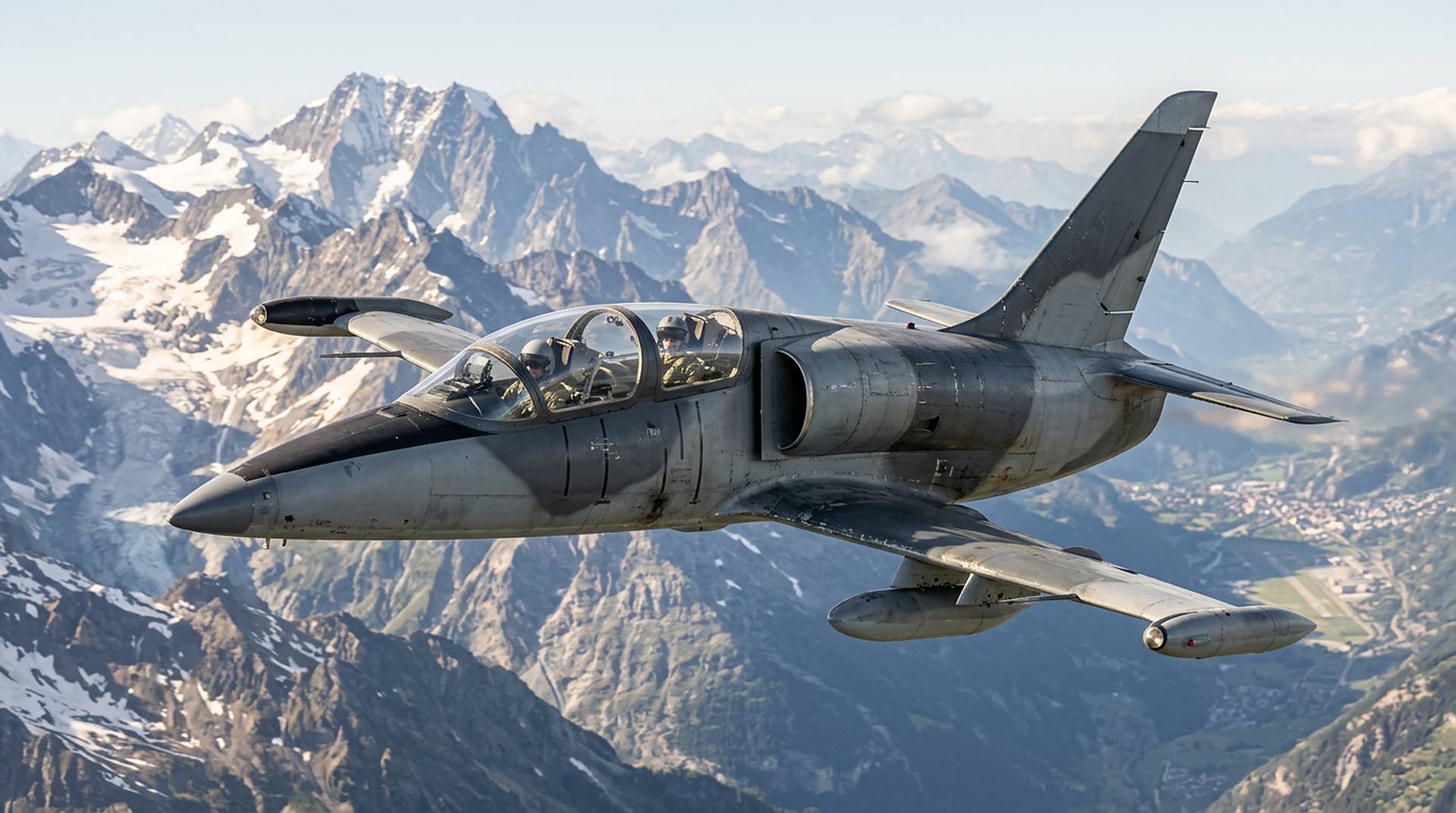
The most widely flown civilian fighter jet in the world, and the usual first jet flight. Six locations across four countries, aerobatic sorties of 20 to 60 minutes, and time at the controls in almost every one.
Locations
6
From
£2,500 / $3,300 / €2,900
Sortie
20–60 min
G-range
+8 / −4
Hands on
Yes
What an L-39 flight involves
You fly in the front cockpit of a two-seat tandem trainer, the seat the aircraft was designed around. Briefing to walk-out takes about two hours, and total time on site is four to six.
The sortie itself runs 20 to 60 minutes depending on the location and programme you choose. A standard aerobatic profile covers loops, barrel rolls, aileron rolls and sustained turns pulling up to eight G. Because the L-39 was built to teach, it is forgiving and predictable — which is why almost every operator hands over the controls in level flight and gentle turns.
Takeoff, landing and any low-level segment stay with the pilot.
How much does an L-39 flight cost?
L-39 flights start from £2,500 for a 20-minute sortie from Brno in the Czech Republic. Flights from Sion and over the Italian Alps start from about £3,850. In the United States, New York starts from about £2,650, Florida from about £4,350 and California from about £5,450. Prices are per person and confirmed with the operator when you enquire.
About the aircraft
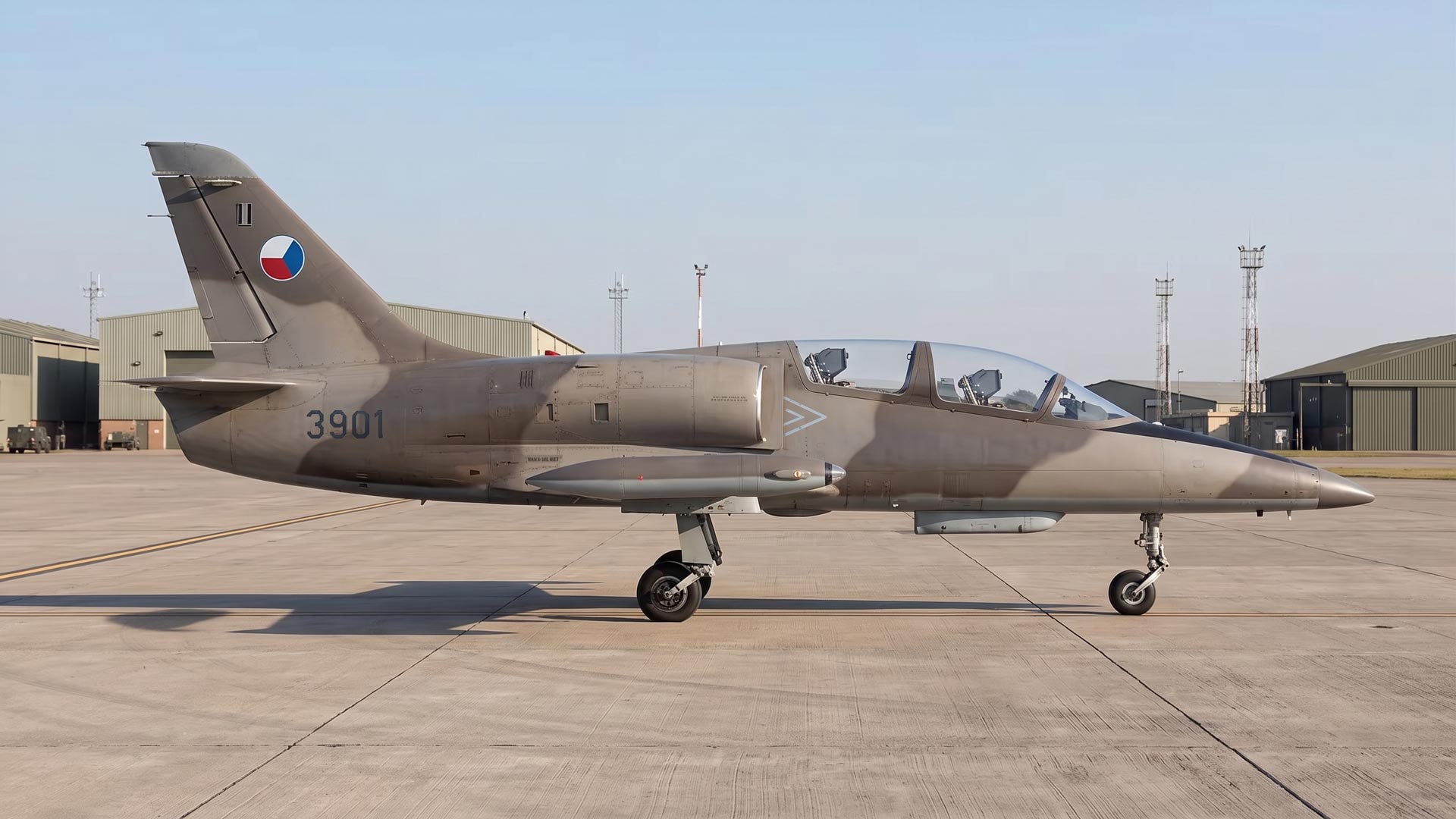
The Aero L-39 Albatros is a Czechoslovak jet trainer first flown in 1968. More than 2,800 were built, one of the most-built jet trainers in history, which is why it is the aircraft most civilian operators fly today: airframes are available, parts exist, and the type is cheap to run relative to a frontline fighter.
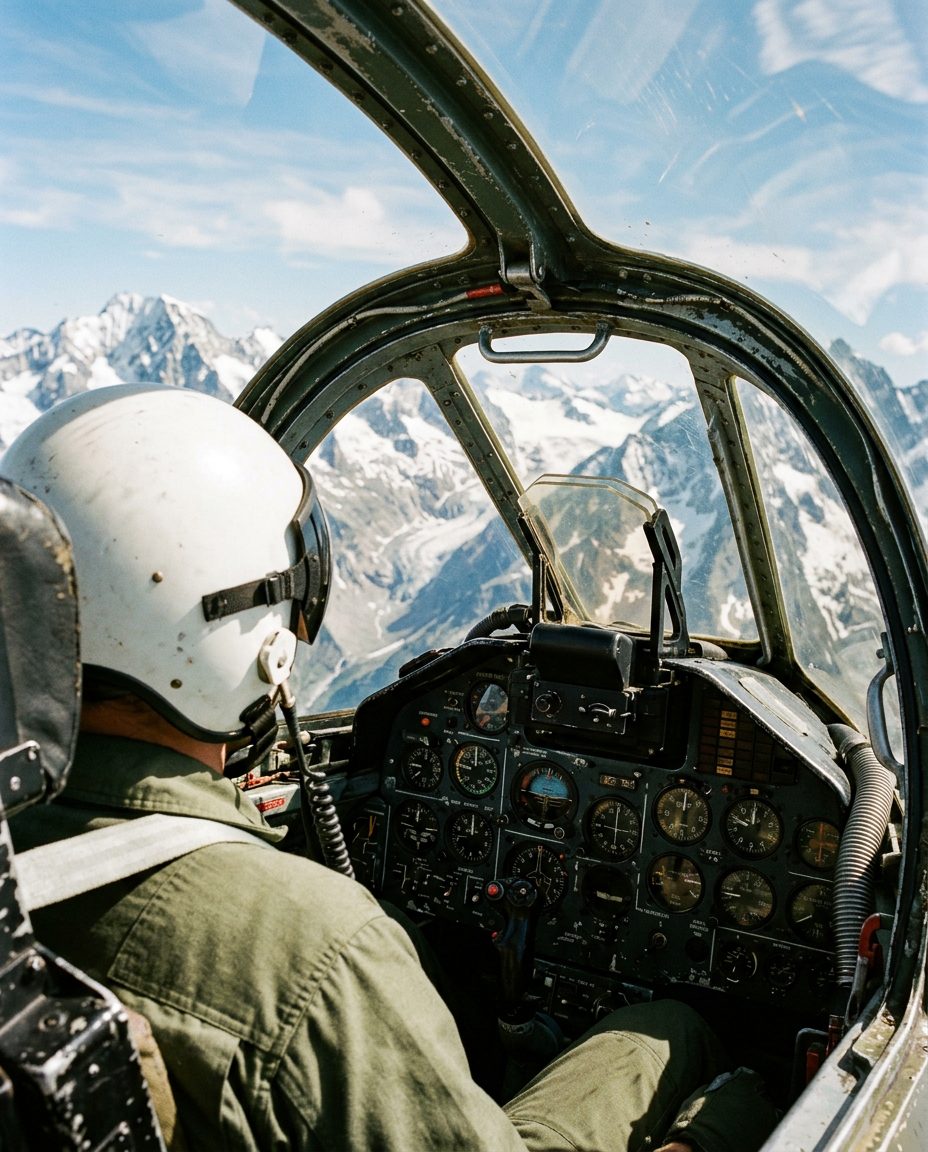
Two crew sit in tandem under a single canopy, the instructor behind. For a passenger that layout matters: you occupy the seat the aircraft was designed to teach from, with a full set of controls in front of you and an unobstructed view forward over the nose.
Full specification in the hangarOrigin
Czechoslovakia
First flight
1968
Top speed
750 km/h
Ceiling
11,000 m
Built
2,800+
Seats
2, tandem
Can you fly in an L-39?
Limits are set by the ejection seat, not by the operator, so they are fixed by the aircraft and cannot be waived. Figures below are typical and are confirmed at booking.
Age
18 or over. No upper limit, subject to health declaration.
Weight
Typically 50–110 kg, set by the ejection seat certification.
Height
Typically 150–196 cm, again seat-limited.
Medical
A short health declaration. Some operators check on the day.
Experience
None required. No licence, no prior flying.
Lead time
Typically six to ten weeks
Where you can fly one
Six locations, four countries, the same aircraft type. What differs is the terrain, the sortie profile and the season. Prices and availability are listed in the store.


L-39 Albatros history
The Aero L-39 Albatros was designed by Aero Vodochody in Czechoslovakia in the 1960s to replace the L-29 Delfin as the standard jet trainer of the Warsaw Pact air forces. It was one of the first jet trainers built around a turbofan, the Ivchenko AI-25TL, which gave better fuel economy and gentler handling than the turbojets of the time.
The L-39 prototype first flew on 4 November 1968 and the type entered service in 1972. Production of the original L-39 continued until the late 1990s, by which time more than 2,800 had been built for over thirty air forces. Aero still builds its modern successor today.
Most Soviet-bloc fighter pilots of the 1970s, 1980s and 1990s learned to fly jets in an L-39 before moving on to frontline types such as the MiG-21 and MiG-29.

L-39 Albatros design and speed
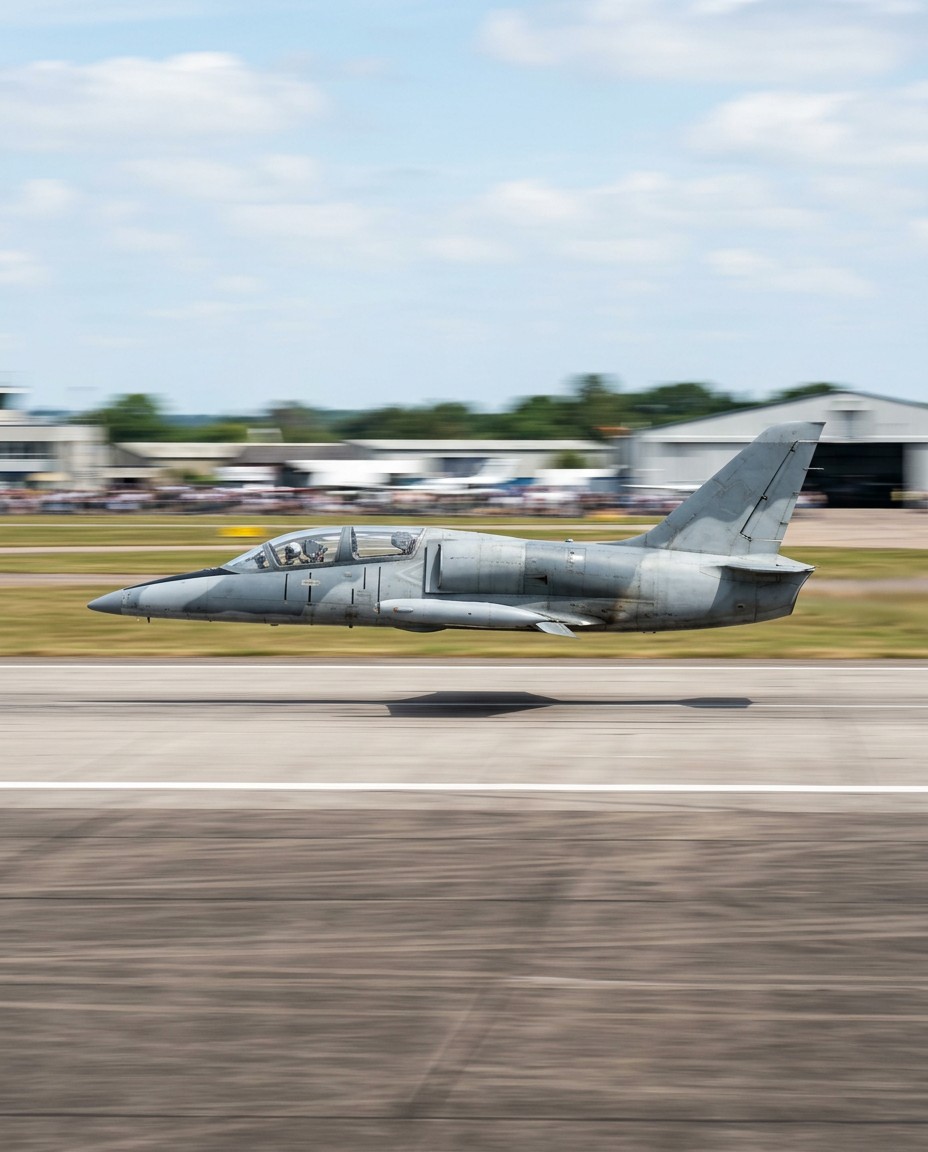
The L-39 is a compact jet: 12.13 m (39 ft 10 in) long with a wingspan of 9.46 m (30 ft 10 in), and about 3,450 kg empty. Its top speed is about 750 km/h (466 mph), or Mach 0.8, and its service ceiling is 11,000 m (36,100 ft).
The two cockpits sit in tandem under one canopy, with the rear seat raised so the instructor can see over the student. The straight wing makes it stable at low speed and predictable in aerobatics, and its small size and light weight make it agile. That combination is why display teams such as the Breitling Jet Team chose the L-39, and why it is still one of the most popular jets in private hands.
L-39 at a glance
Top speed
750 km/h (466 mph)
Service ceiling
11,000 m
Length
12.13 m
Wingspan
9.46 m
Empty weight
About 3,450 kg
Engine
Ivchenko AI-25TL turbofan
Seats
2, in tandem

L-39 Albatros armament
The standard L-39C trainer has two underwing hardpoints, used mainly for drop tanks and practice weapons. The light-attack L-39ZA added four hardpoints and a 23 mm GSh-23L twin-barrel cannon under the fuselage, with up to about 1,100 kg of rockets, bombs and short-range air-to-air missiles.
Armed L-39s have flown combat missions in several conflicts, mostly in light attack and counter-insurgency roles. Every L-39 used for passenger flights is unarmed.
L-39 Albatros variants
More than ten versions of the L-39 were built. The main ones are:
L-39C: the standard two-seat trainer, and the version almost all civilian flights use. The C stands for cvičná, Czech for training.
L-39ZA: a ground-attack and reconnaissance version with a cannon and four hardpoints. The L-39ZO was an earlier armed export trainer.
L-39V: a single-seat target-towing version built in small numbers.
L-59 Super Albatros: a strengthened development of the L-39MS with a more powerful engine and updated cockpit. The current L-39NG, also sold as the L-39 Skyfox, is Aero's modern successor with a Western engine and avionics.
Why the L-39 is the jet most civilians fly
So many L-39s were built, and so many were retired by air forces after the Cold War, that it became the most common ex-military jet in private hands. Parts and engineering support are still available, it costs far less to run than a frontline fighter, and its dual controls and forgiving handling suit passengers.
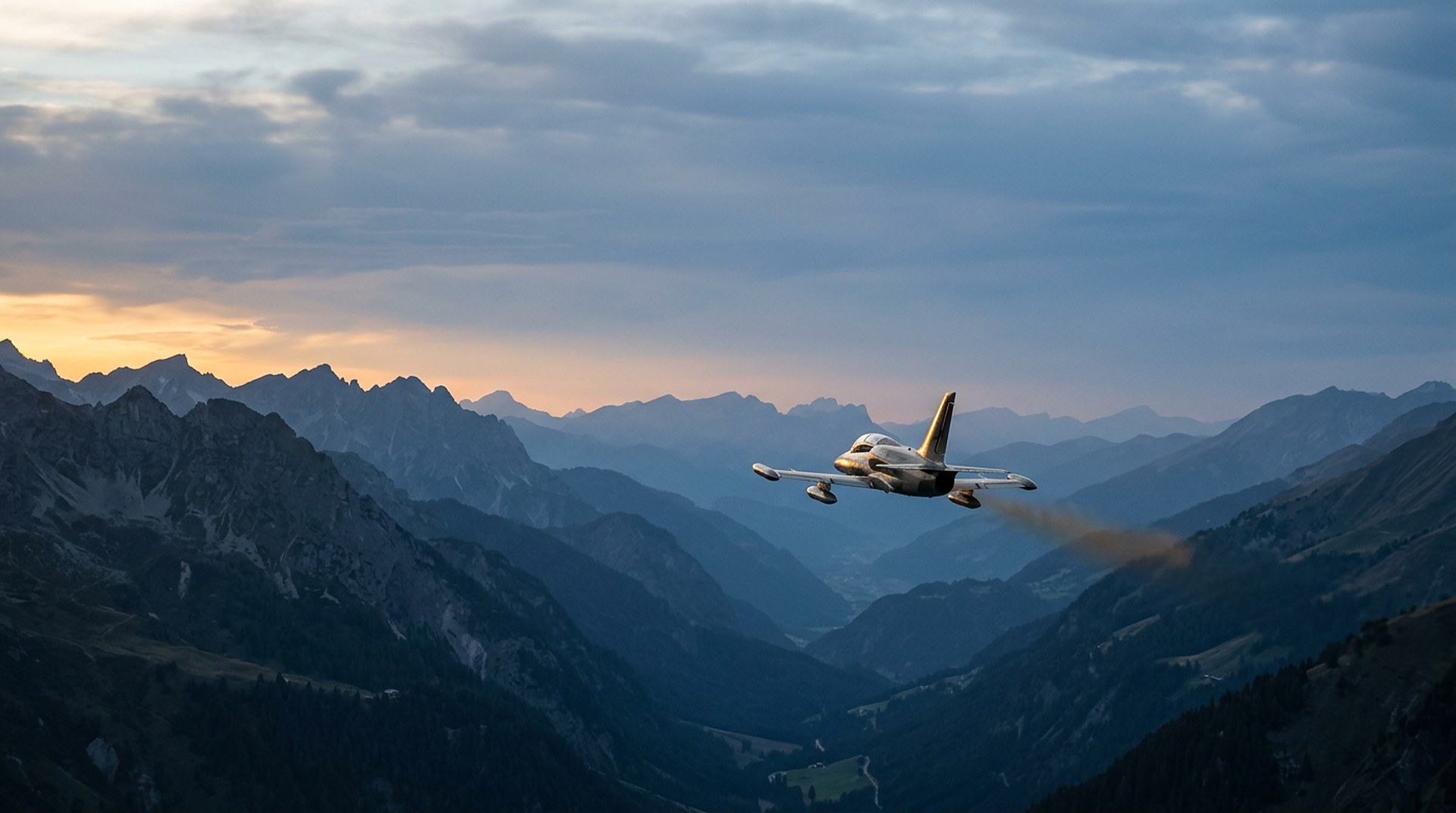
That is why you can fly an L-39 Albatros from more locations than any other aircraft Jetify offers, including Sion in Switzerland, Brno in the Czech Republic, the Italian Alps, and Florida, California and New York in the United States.
L-39 flights
Built
More than 2,800
Air forces
More than 30
Jetify locations
6
Countries
Switzerland, Czech Republic, Italy, USA
Can you buy an L-39 Albatros?
Yes. The L-39 is the most common ex-military jet in private ownership, and airframes regularly come up for sale in the United States and Europe. Ex-military examples have typically changed hands for roughly US$200,000 to US$500,000, with well-equipped, low-hours aircraft at the top of that range or above it.
Buying is the cheaper part. Civil operators quote roughly US$1,000 to US$2,000 per flight hour all-in, and the jet burns several hundred kilograms of fuel an hour. Owners need a pilot qualified to fly it, specialist maintenance and, in most countries, a special category of registration for ex-military aircraft. In the United States, privately owned L-39s fly in the FAA's experimental exhibition category.
For most people, a passenger flight is the realistic way to fly one. Aero's modern successor, the L-39NG, is built new for air forces rather than private owners.
Flying the L-39 Albatros
What is an L-39 Albatros like to fly in?
The L-39 Albatros is forgiving and predictable to fly in. It was built to teach military pilots, so it responds slowly enough to follow and holds aerobatic figures cleanly, which is why almost every operator hands over the controls.
Is the L-39 Albatros a real fighter jet?
The L-39 Albatros is a military jet trainer rather than a frontline fighter, though armed variants served in combat with several air forces. It is the jet most civilians fly because so many airframes survive in flying condition.
Do I get to fly the L-39 Albatros myself?
Yes, at almost every location you can fly the L-39 Albatros yourself. Dual controls are standard and operators routinely hand over in level flight and gentle turns once you are comfortable.
How much G-force does an L-39 Albatros flight pull?
An aerobatic L-39 Albatros flight pulls up to eight positive G and four negative G. You are taught the anti-G straining manoeuvre in the briefing before you fly.
Which L-39 Albatros location suits a first flight?
Any of the six L-39 Albatros locations suits a first flight, because all six use the same aircraft. Choose on terrain and season: the Alps for scenery, the Czech Republic for the country that built the jet, or the US locations for access.
How does the L-39 compare to the Hawker Hunter?
The Hawker Hunter is faster than the L-39 Albatros and a genuine frontline fighter of its era, but it costs more than twice as much and flies from one location. The L-39 is the better first flight.
Other aircraft you can fly
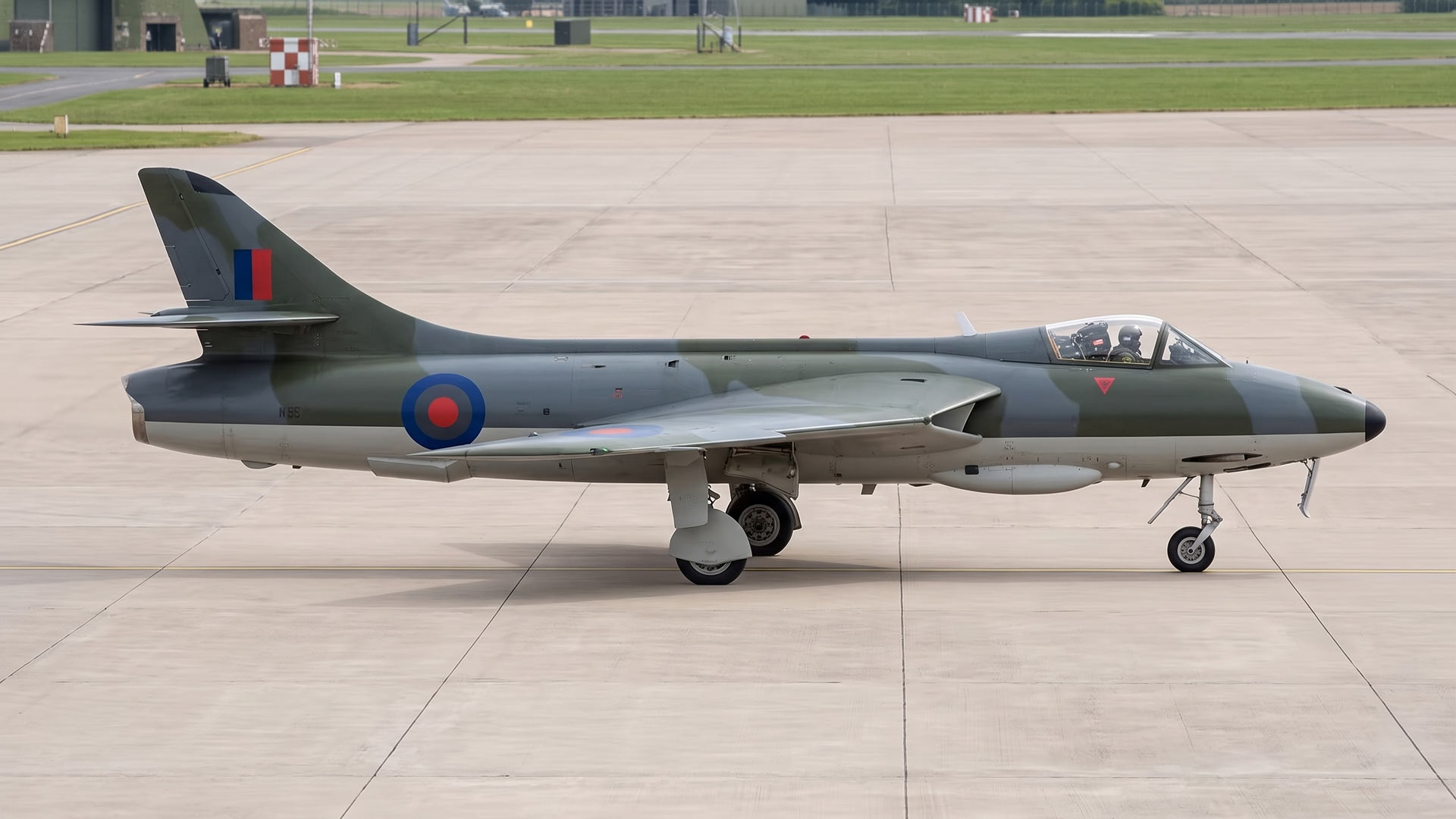
Hawker Hunter
Switzerland · from £6,400 / $8,500 / €7,600
The fastest aircraft bookable today.
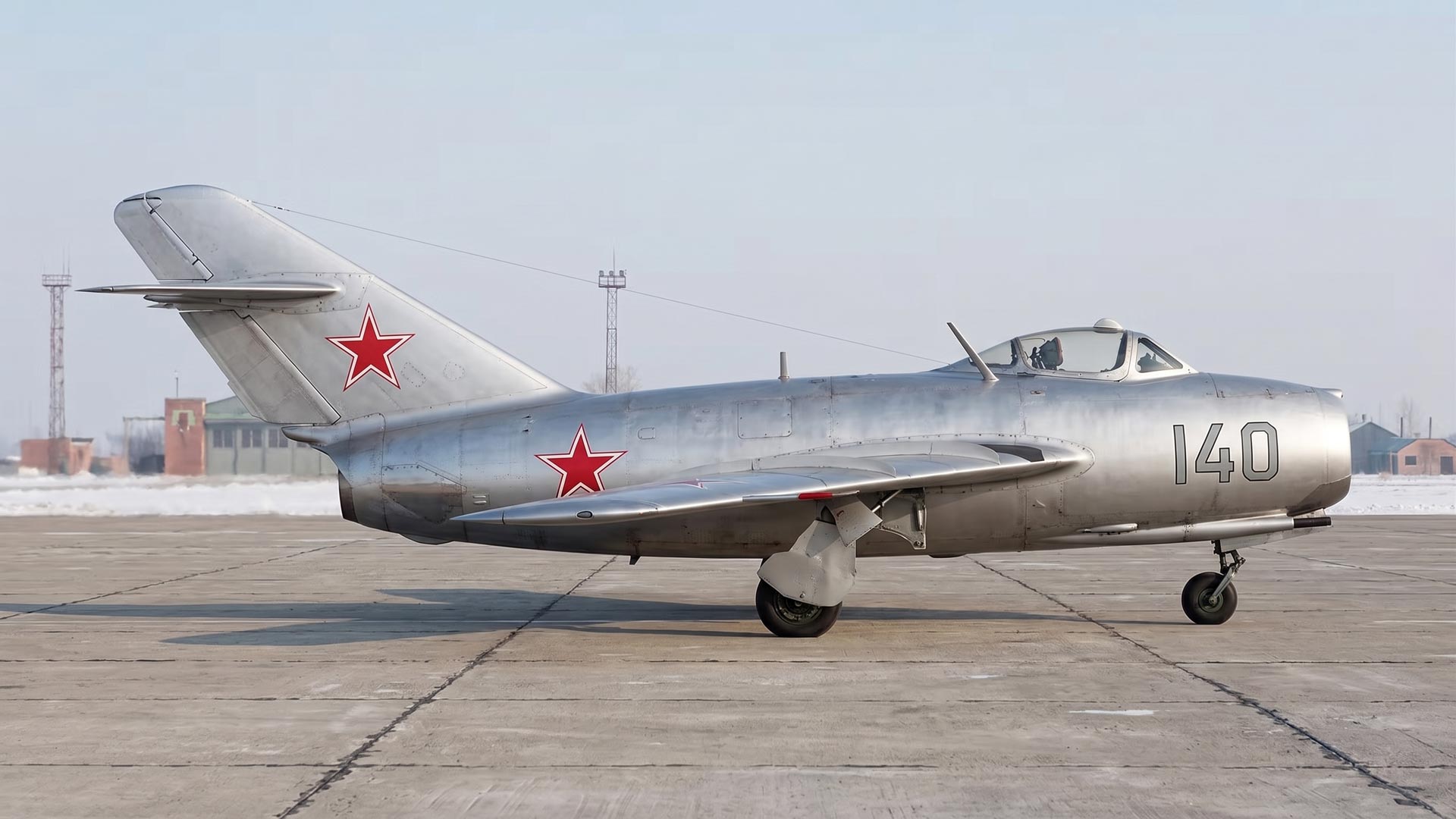
MiG-15 Fagot
Hradec Králové · from £2,400 / $3,200 / €2,850
A first-generation combat jet, not a trainer.
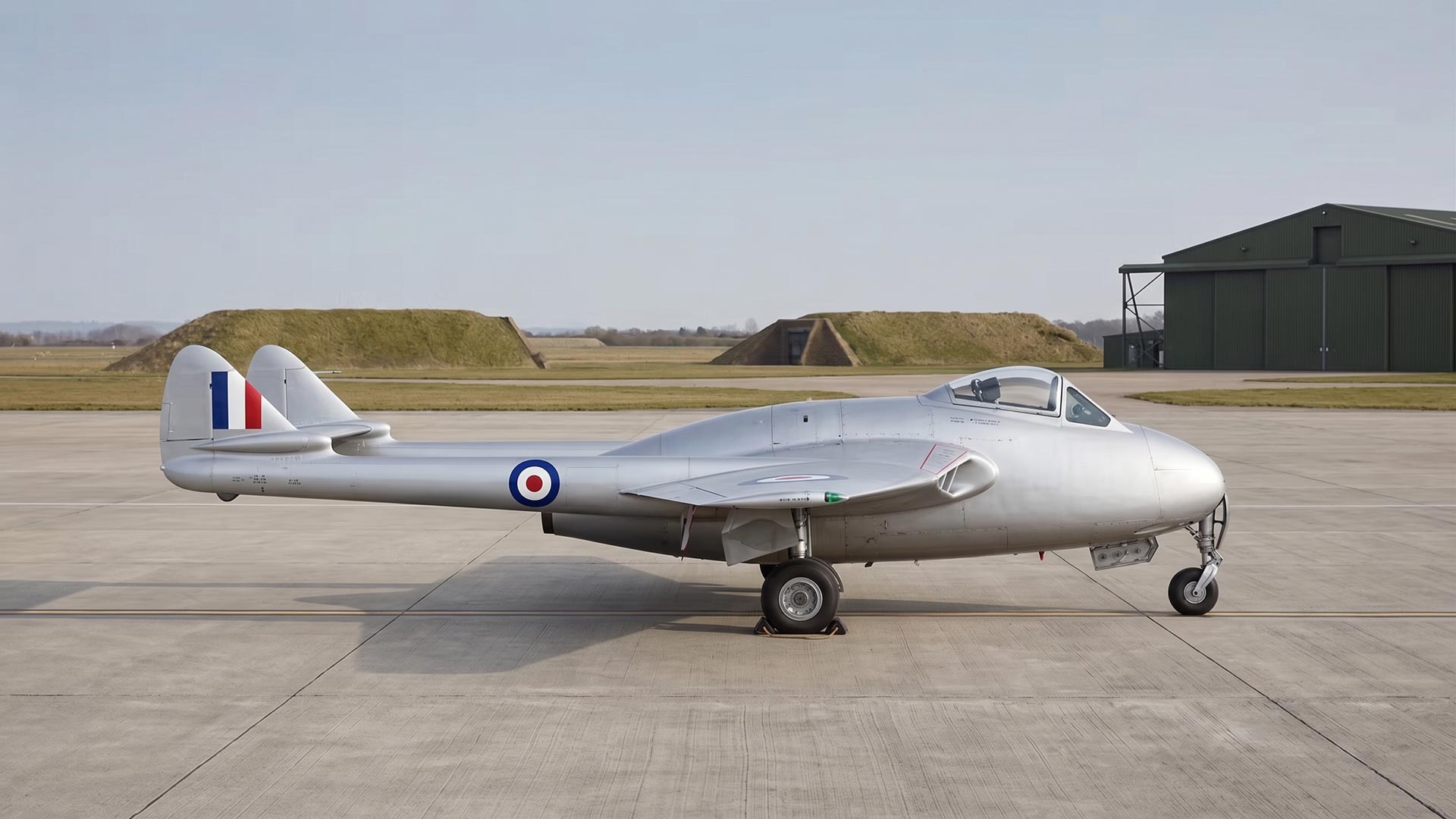
de Havilland Vampire
South West England · from £4,750 / $6,300 / €5,600
The only UK departure on the roster.