Fighter jet guides
Fastest Fighter Jet
The fastest fighter jets ever built, and the fastest still flying today — ranked by top speed, with specifications, cost and service status for each.
Updated September 2026 · 20 aircraft · 12 minute read
What is the fastest fighter jet in the world?
The fastest fighter jet ever created was the NASA/USAF X-15. It was an experimental aircraft that resembled more of a rocket with wings but managed to reach a record 4,520 mph / 7,274 km/h. The fastest fighter jet in the world today is the MiG-25 Foxbat, with a top speed of 2,190 mph / 3,524 km/h, half the speed of the X-15.
Fastest ever
NASA/USAF X-15
Mach 6.72 · 4,520 mph / 7,274 km/h
Experimental · retired 1968
Fastest in service
MiG-25 Foxbat
Mach 3.2 · 2,190 mph / 3,524 km/h
Interceptor · limited service
But how do those jets compare with the other fastest fighters ever created, as well as military aircraft still in service today? Every plane mentioned is capable of speeds over Mach 2.0, that’s faster than 1,520 mph / 2,446 km/h and means these jets are capable of flying at almost twice the speed of sound or faster.
What is Mach speed?
Mach speed is relative to the speed of sound. Sound travels at a speed of 332 m/s or 1195 km/hr or 717 miles/hour, otherwise known as Mach 1.0. When aircraft travel faster than the speed of sound, they break what is known as the ‘sound barrier’ that can often result in a sonic boom. Once aircraft are capable of travelling faster than the speed of sound, they become incredible fighting machines, intercepting other aircraft and targets over vast distances at great speed.
Watch some jets break the sound barrier and create a sonic boom:
The Fastest Fighter Jet Ever
The NASA/USAF X-15 is the fastest fighter jet ever produced. It reached record top speed of Mach 6.72 or 4,520 mph / 7,274 km/h, which is more than five times the speed of sound. The X-15 was an experimental hypersonic rocket-powered aircraft developed in the 1960’s and still holds the record for the highest speed ever recorded by a crewed, powered aircraft.
Of course many rockets and vehicles destined for space can travel much faster, but as you’ll see in our top 10 fastest aircraft ever, the X-15 was faster than any other jet by a huge margin.
Learn more about the X-15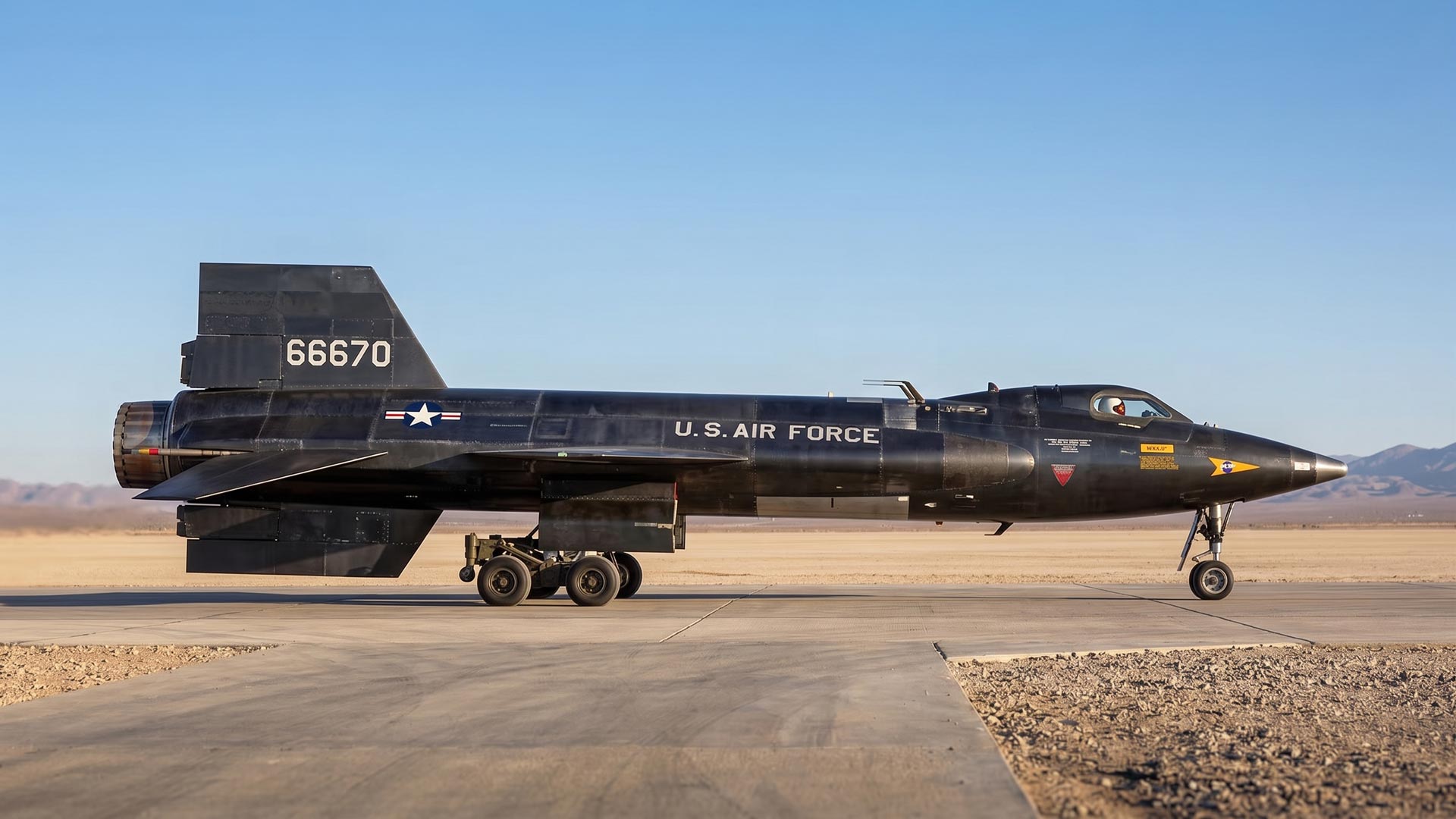
The Fastest Fighter Jet in service
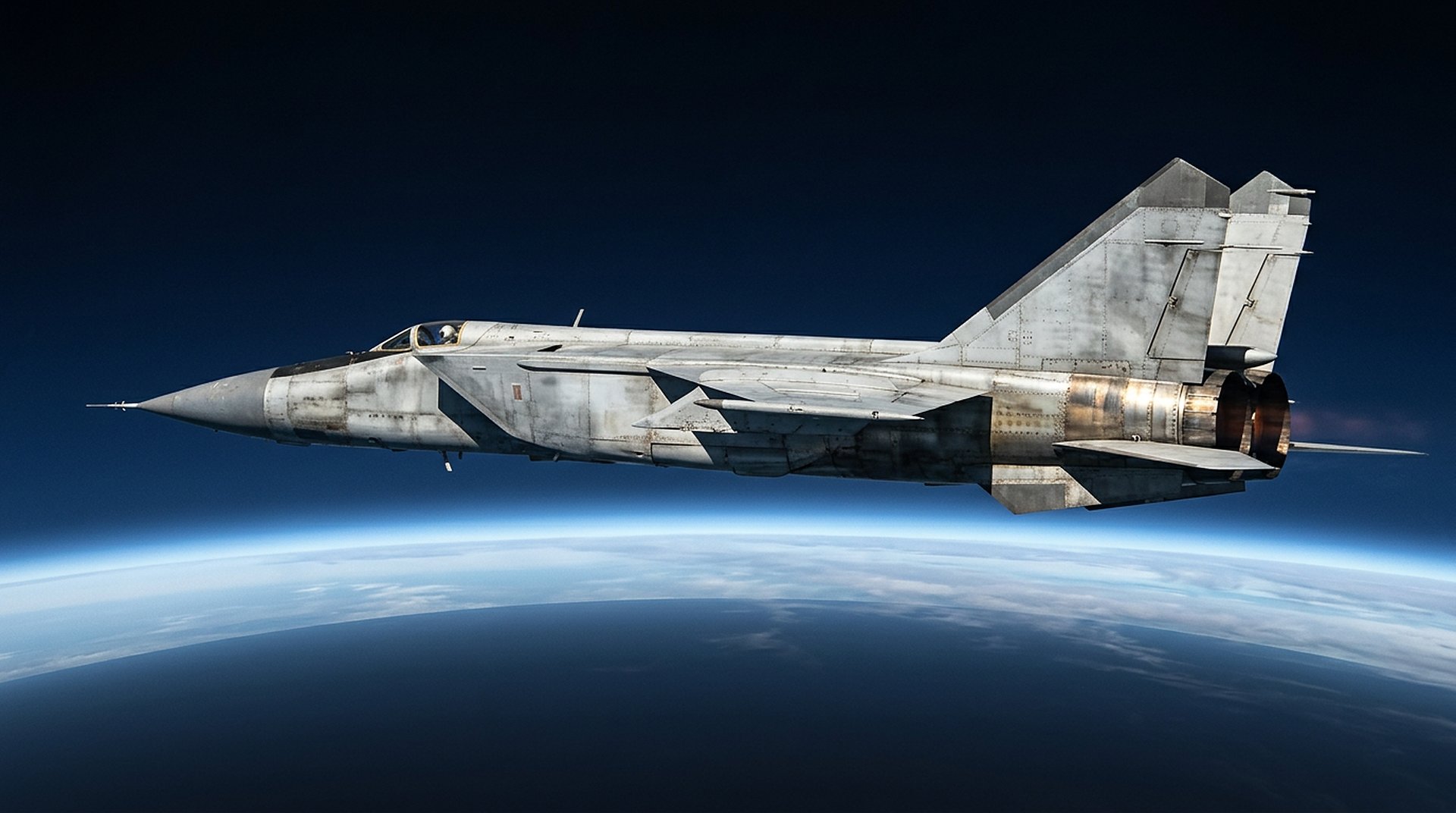
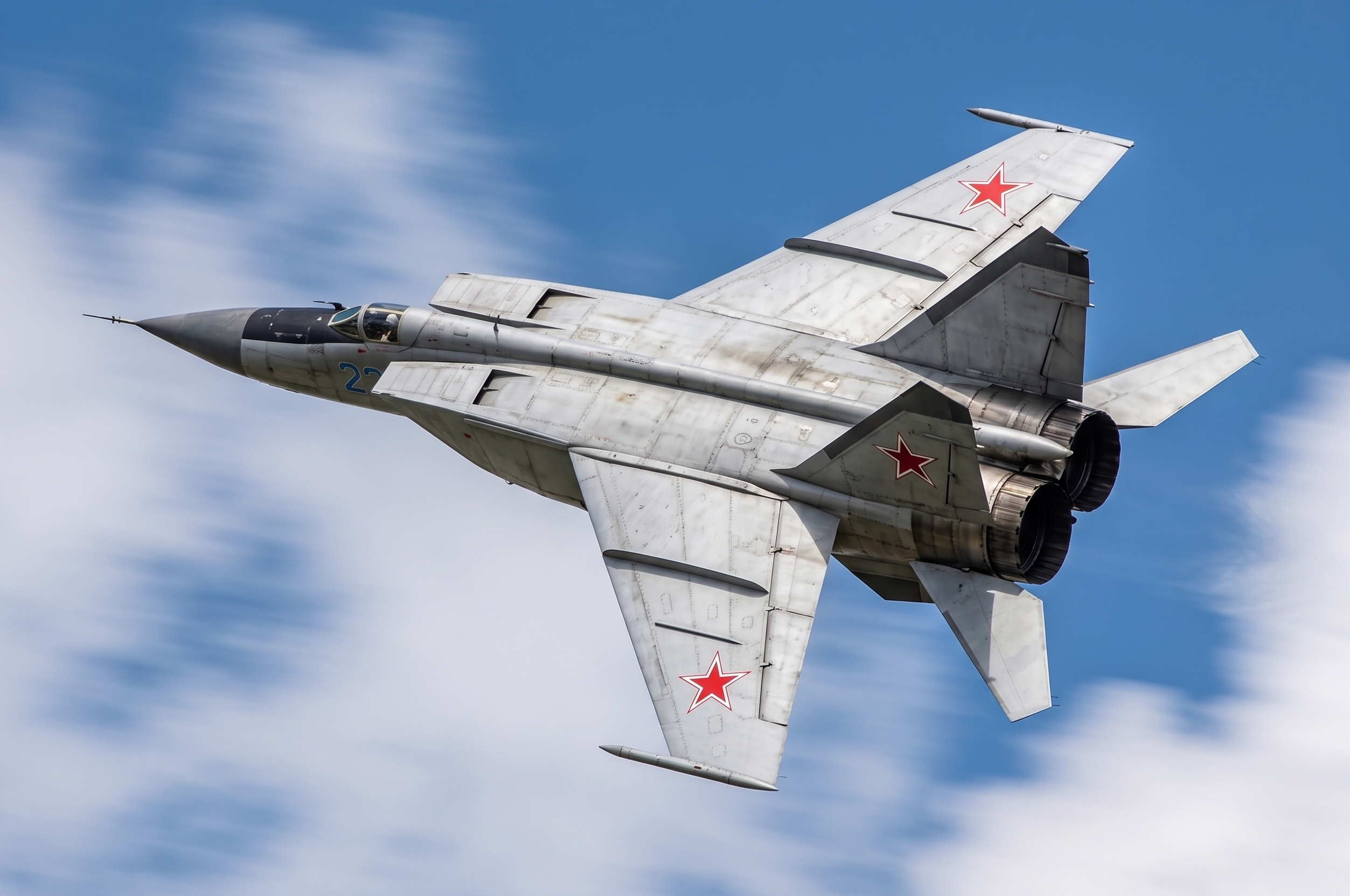
The fastest fighter jet is the Mikoyan-Gurevich MiG-25 Foxbat, capable of Mach 3.2 or 2,190 mph / 3,524 km/h. While not as fast as some retired or experimental aircraft, the MiG-25 is the only aircraft in service capable of speeds over Mach 3.0 making it the fastest fighter jet in service today by quite some margin.
A Russian-built interceptor introduced in 1970, over 50 years on and the MiG-25 has remained one of the fastest fighter jets ever, and although no longer in production and in limited service, is still used by a few airforces across the world.
Learn more about the MiG-25Every aircraft compared
All twenty aircraft on this page, ranked by top speed. Aircraft still flying are marked in service.
Aircraft
Role
Mach
km/h
NASA/USAF X-15
Role
Experimental
Mach
6.72
km/h
7,274
Lockheed SR-71 Blackbird
Role
Reconnaissance
Mach
3.4
km/h
4,023+
Lockheed YF-12
Role
Prototype
Mach
3.2
km/h
3,661
MiG-25 Foxbat
Role
Interceptor
Mach
3.2
km/h
3,524
Bell X-2 Starbuster
Role
Research
Mach
3.2
km/h
3,370
XB-70 Valkyrie
Role
Bomber
Mach
3.02
km/h
3,309
MiG-31 Foxhound
Role
Interceptor
Mach
2.83
km/h
3,000
F-15 Eagle
Role
Multirole
Mach
2.5
km/h
2,655
F-111 Aardvark
Role
Bomber
Mach
2.5
km/h
2,655
Su-27 Flanker
Role
Multirole
Mach
2.35
km/h
2,499
MiG-29 Fulcrum
Role
Multirole
Mach
2.3
km/h
2,446
Chengdu J-10
Role
Multirole
Mach
2.2
km/h
2,325
Dassault Mirage 2000
Role
Multirole
Mach
2.2
km/h
2,253
F-22 Raptor
Role
Superiority
Mach
2.0
km/h
2,181
Eurofighter Typhoon
Role
Multirole
Mach
2.0
km/h
2,124
Sukhoi Su-57
Role
Superiority
Mach
2.0
km/h
2,124
Cost figures are at the time of production. Speeds are maximum recorded or published.
Top 10 Fastest Fighter Jets in the world
Keep scrolling to learn more about each of these incredible fighter jets, or watch the video below.
#X-15
1. NASA/USAF X-15 - Mach 6.72 (4,520 mph / 7,274 km/h)
Manufactured
American
Cost
N/A
Role
Experimental
Speed
Mach 6.72
First flight
1959
Status
Retired
An experimental high-speed rocket-powered research aircraft, the X-15 was a joint operation between NASA and the United States Airforce. The result was more rocket-based than fighter jet, but showed just what was possible when jets used rockets instead of… well, jets. Developed throughout the 1960s, only three were ever built which were attached to two modified B52 bombers that carried the X-15 before launching mid-air.
Eight of the 12 pilots that flew the X-15 reached an altitude higher than 50 miles. This met the Air Force spaceflight criterion, in turn automatically qualifying these pilots as astronauts. The military pilots qualified for astronaut wings, while the civilian pilots received NASA astronaut wings 35 years after the last X-15 flight.
#SR-71
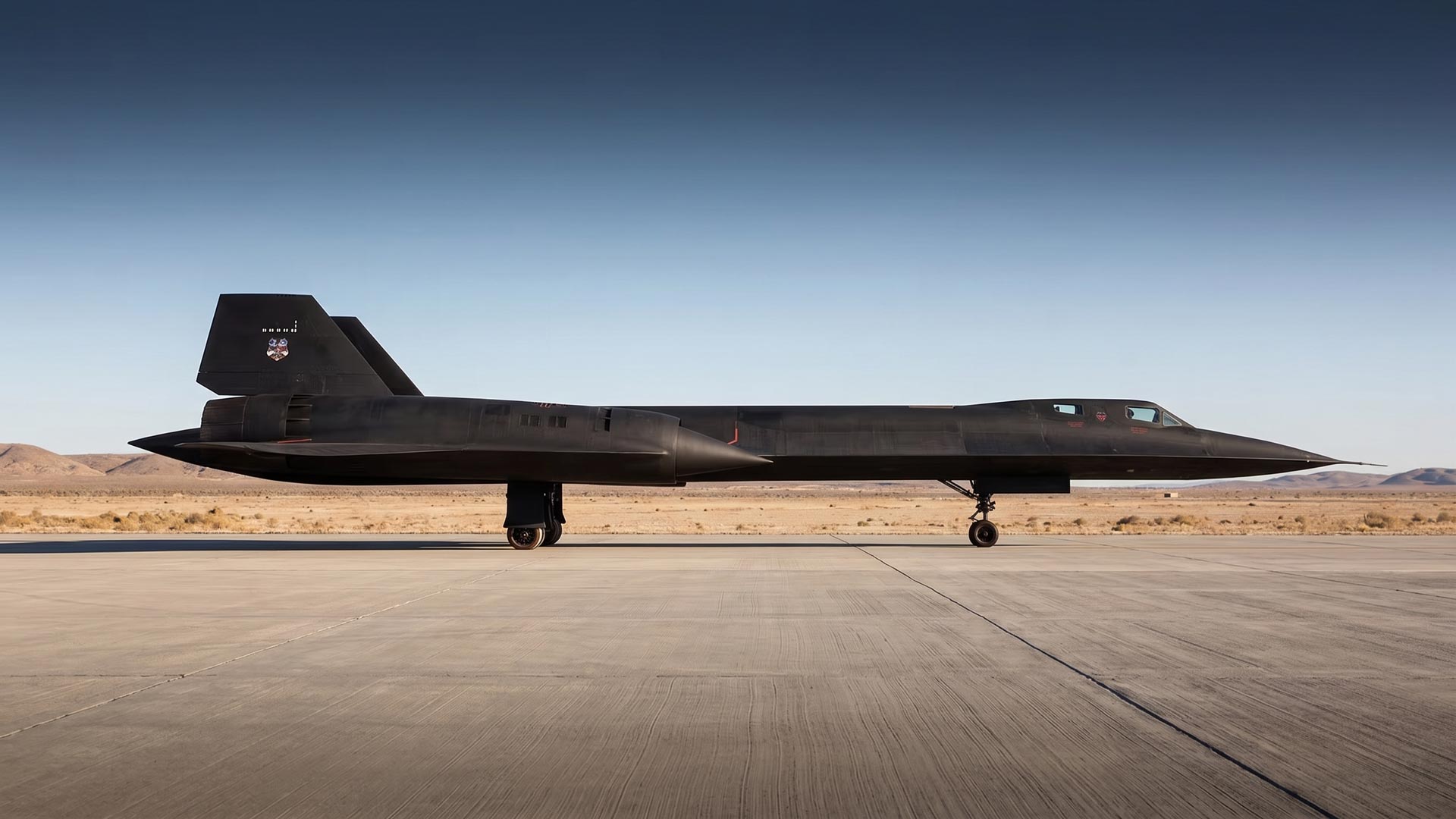
2. Lockheed SR-71 Blackbird - Mach 3.4 (2,500 mph+ / 4,023 km/h)
Manufactured
American
Cost
$34 million*
Role
Reconnaissance
Speed
Mach 3.4
First flight
1964
Status
Retired
With a top speed only half that of the X-15, the Lockheed SR-71 Blackbird may seem slow in comparison, however it is still one of only five aircraft ever produced capable of exceeding Mach 3.0. The SR-71 is the fastest fighter jet ever, considering the X-15 was more rocket-based and the fastest fighter jet ever produced and used in service. Used by both NASA and the USAF, the SR-71 was developed in the 1960s for reconnaissance missions. The last SR-71 was retired in 1999 by NASA since many reconnaissance roles are now undertaken by satellites.
As well as flying fast, the Blackbird was capable of flying high for sustained periods. While some jets can climb high, many cannot cruise at high altitudes, but the SR-71 could easily fly at heights of 25,000 metres, making it perfect for reconnaissance from a safe distance.
There’s no doubt the SR-71 was fast, it flew New York to London in just 1 hour 54 minutes and 56.4 seconds, while even Concorde at the time would take 2 hours and 52 minutes.
#YF-12
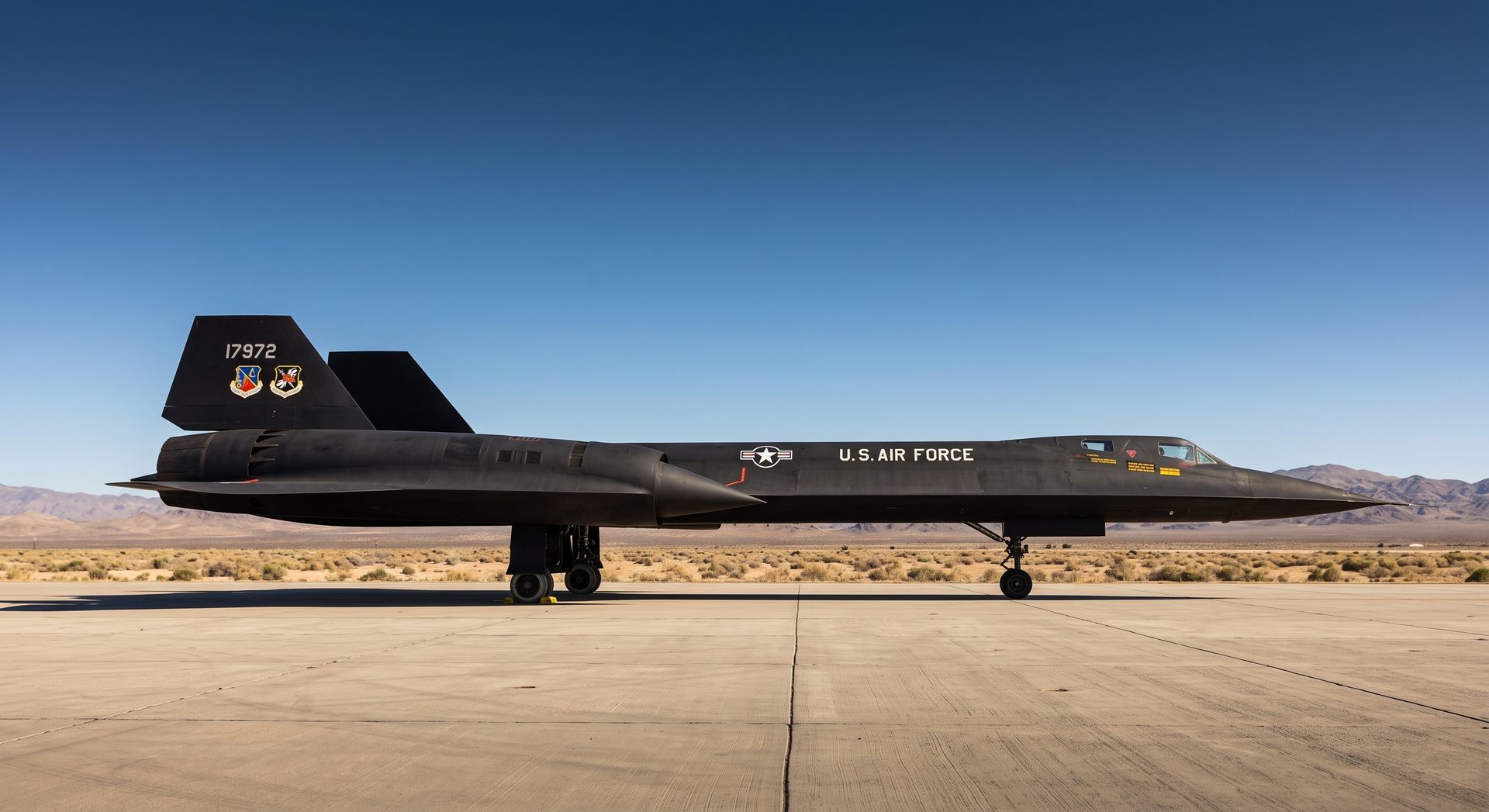
3. Lockheed YF-12 - Mach 3.2 (2,275 mph / 3,661 km/h)
Manufactured
American
Cost
$18 million*
Role
Prototype
Speed
Mach 3.2
First flight
1963
Status
Retired
The Lockheed YF-12 was the predecessor and prototype of the SR-71 Blackbird. Development began in the late 1960s where three YF-12s were produced as prototype interceptor aircraft to replace the F-106 Delta Dart interceptor. At the time of development, the USAF were moving funding towards the Vietnam War and other military priorities. Following retirement by the USAF, the YF-12 went on to be a research aircraft for NASA before becoming the basis for the SR-71 that later went into production and served with the USAF.
#MiG-25
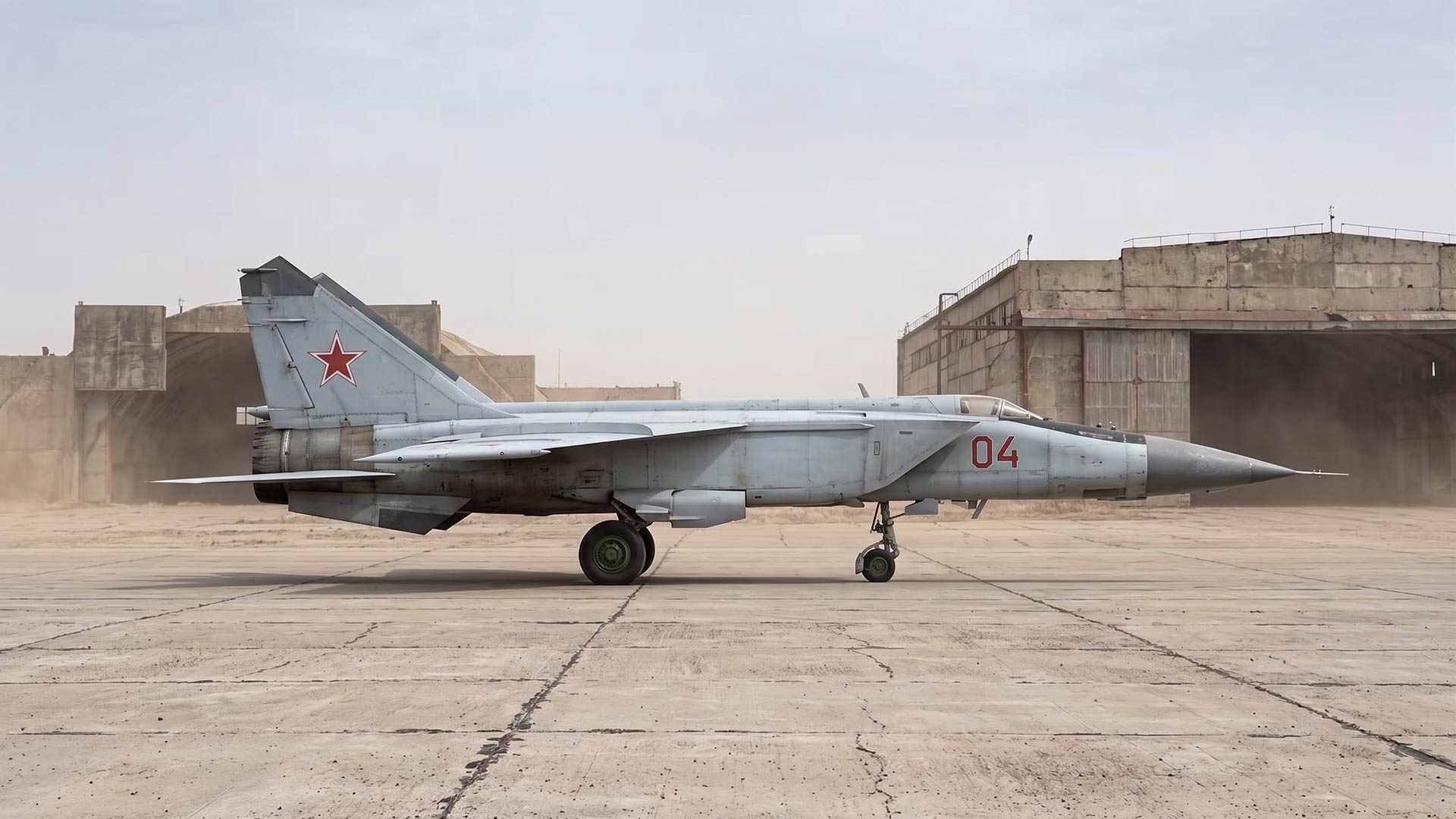
4. MiG-25 Foxbat - Mach 3.2 (2,190 mph / 3,524 km/h)
Manufactured
Russian
Cost
$60 million*
Role
Interceptor
Speed
Mach 3.2
First flight
1964
Status
In service
Still in limited service today, the MiG-25 Foxbat is the only aircraft capable of speeds over Mach 3.0 in use by airforces. Developed in the 1960s, the MiG-25 quickly became one of the fastest fighter jets ever and has held that record for over 50 years. While more modern variants have been adopted such as the MiG-31 and MiG-29, the MiG-25 still plays a role as an interceptor and for reconnaissance missions with a few airforces around the world. Almost 1,200 were produced, although production has ended. When the MiG-25 is finally retired, there are currently no other jets capable of Mach 3.0 or faster in service anywhere in the world.
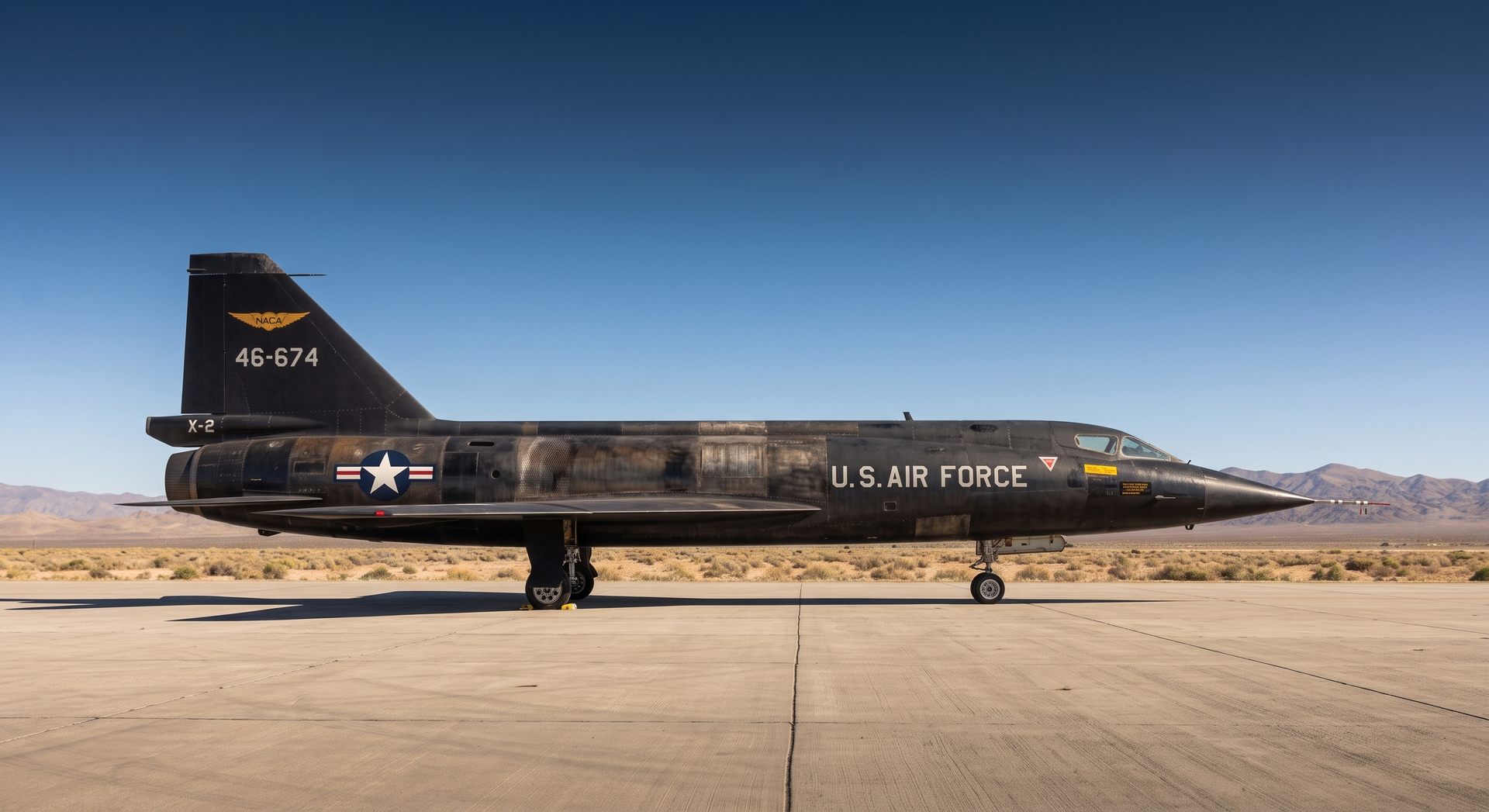
#X-2
5. Bell X-2 Starbuster - Mach 3.2 (2,094 mph / 3,370 km/h)
Manufactured
American
Cost
N/A
Role
Research
Speed
Mach 3.2
First flight
1955
Status
Retired
Another rocket-wing style aircraft much like the X-15, the Bell X-2 Starbuster was a research aircraft developed in the 1940s and 1950s. The X-2’s main purpose was to study flight characteristics in the Mach 2-3 range mainly the ‘thermal thicket’ heating problem which was caused by aerodynamic friction. The Bell X-2 was designed to fly faster and at altitudes higher than the Bell X-1 and succeeded at delivering valuable research. Three years later, the X-15 would go into development and surpass the X-2’s speeds by quite some margin.
#XB-70
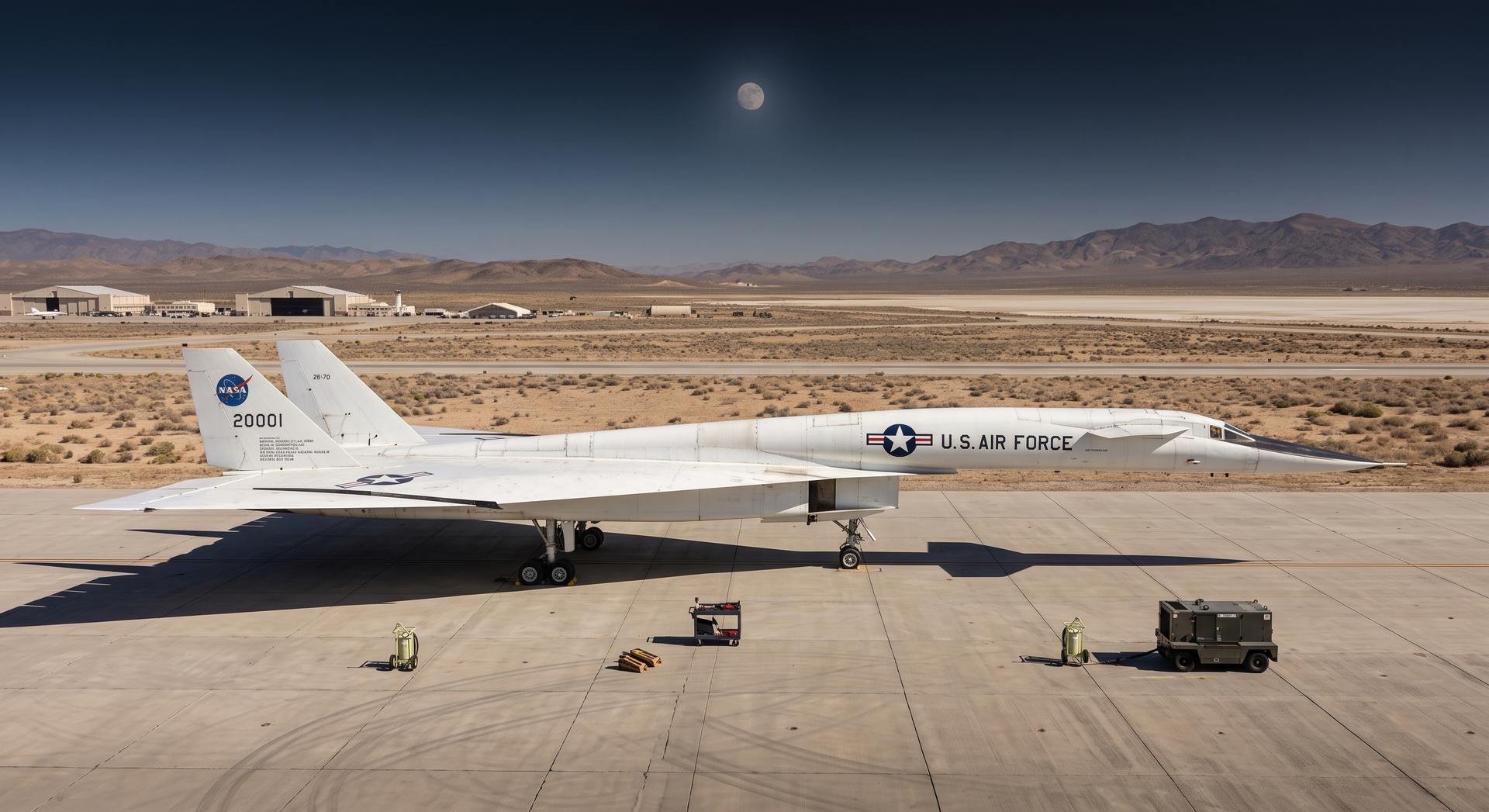
6. XB-70 Valkyrie - Mach 3.02 (2,056 mph / 3,309 km/h)
Manufactured
American
Cost
$750 million*
Role
Bomber
Speed
Mach 3.02
First flight
1964
Status
Retired
Developed as a prototype to the planned B-70 nuclear bomber, the North American XB-70 Valkyrie was a supersonic strategic bomber and the only bomber ever to travel at these speeds. Developed in the late 1950s, the XB-70 was capable of cruising at Mach 3+ at 70,000 feet or 21,000 metres. At this altitude and these speeds, it was believed the B-70 would be immune to any interceptor aircraft, being too fast for any other aircraft at the time to catch up with it and difficult for radars to see it. However, with the advancement of surface-to-air missiles, the XB-70 developed a weakness, so the USAF started conducting lower-level test flights. But the XB-70 offered little additional performance over the B-52, which it was designed to replace and was subsequently cancelled.
#MiG-31
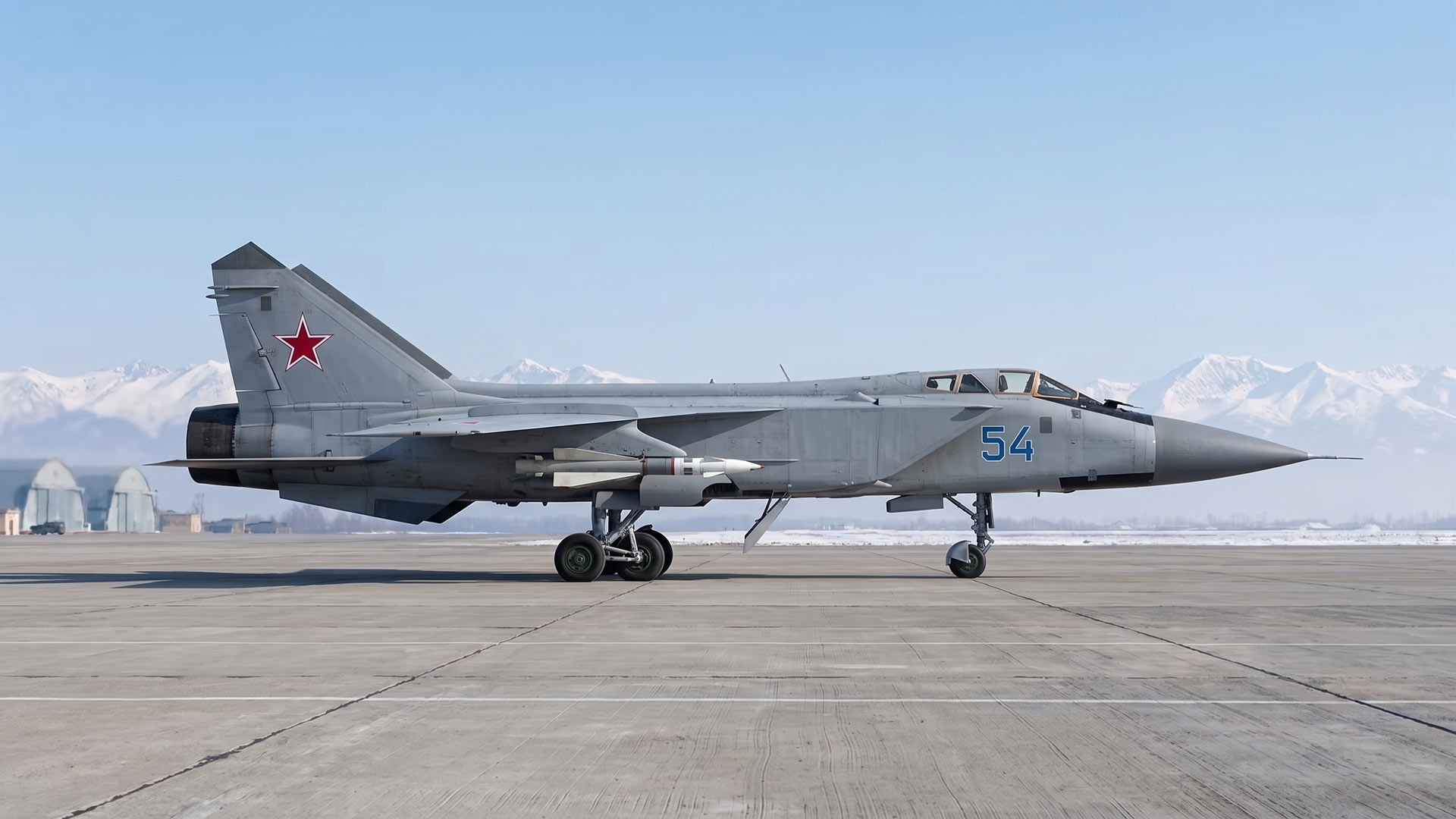
7. MiG-31 Foxhound - Mach 2.83 (1,864 mph / 3,000 km/h)
Manufactured
Russian
Cost
$33 million*
Role
Interceptor
Speed
Mach 2.83
First flight
1975
Status
In service
Developed as a replacement for the older, but faster MiG-25 Foxbat, the MiG-31 Foxhound is a supersonic interceptor aircraft developed in the 1970s and still in service today. While the MiG-31 could technically reach speeds of Mach 3.2 with risk of engine damage, it’s limited top speed of Mach 2.83 means the MiG-31 is still the second fastest fighter jet in service today and is expected to remain in service for several years to come. While the MiG-25 was faster, it lacked manoeuvrability and was difficult to fly at lower altitudes, the MiG-31 was developed to be far more agile and easier to fly, albeit slightly slower.
#F-15
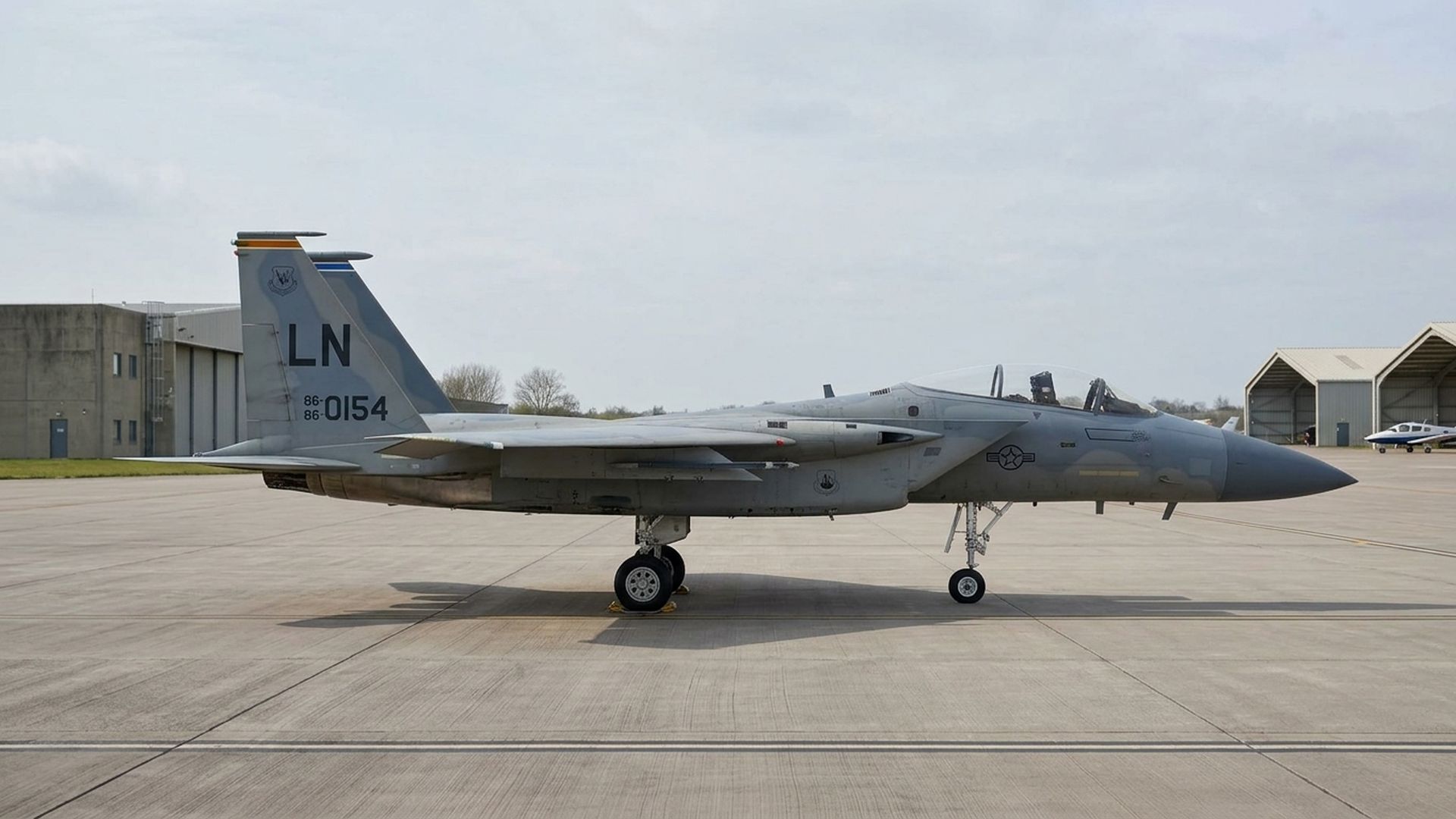
8. F-15 Eagle - Mach 2.5 (1,650 mph / 2,655 km/h)
Manufactured
American
Cost
$30 million*
Role
Multirole
Speed
Mach 2.5
First flight
1972
Status
In service
The McDonnell Douglas F-15 Eagle is the fastest multirole fighter in the world with a top speed of Mach 2.5. Still in service today and adopted by many airforces, the F-15 is available in many different variants including the F-15E Strike Eagle and the F-15N Sea Eagle to suit various requirements. Introduced in the 1970s, the F-15 continues to be one of the most diverse fighter jets in the world, as well as one of the fastest. During its development, the initial requirement was to reach speeds of Mach 3.0, however this was lowered to Mach 2.5 in order to save costs. Subsequently, the F-15 focuses less on speed and altitude and more on air superiority since the faster a jet can go, the more compromises it has to make elsewhere, such as manoeuvrability. Currently the F-15 has over 100 victories and zero losses in air combat.
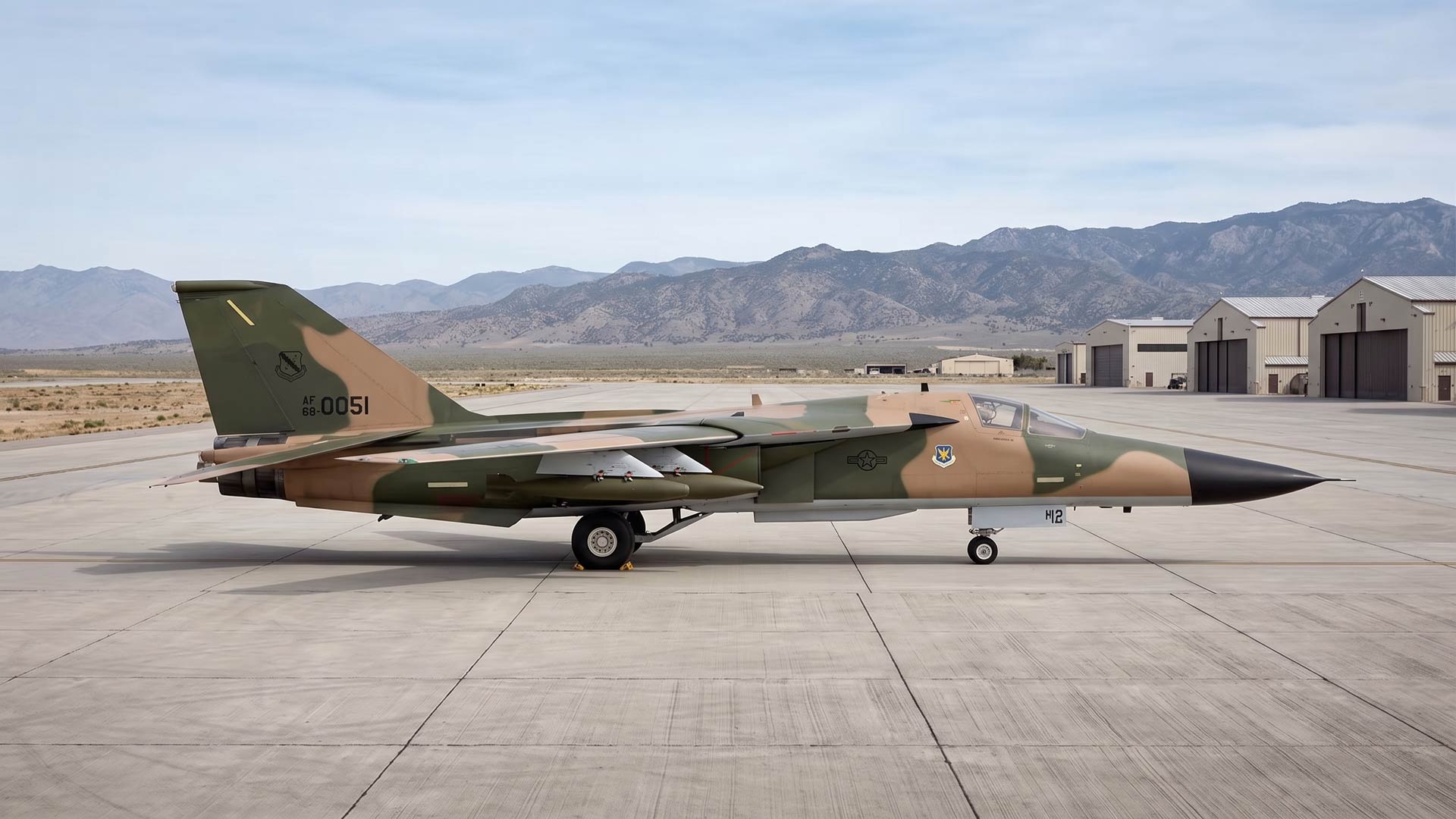
#F-111
9. F-111 Aardvark - Mach 2.5 (1,650 mph / 2,655 km/h)
Manufactured
American
Cost
$10 million*
Role
Bomber
Speed
Mach 2.5
First flight
1964
Status
Retired
Introduced in the late 1960s, the General Dynamics F-111 Aardvark is a supersonic medium-range tactical aircraft used for multiple roles, however primarily as a fighter-bomber or strategic-bomber. No longer in service today and replaced by the USAF with the F-15E Strike Eagle for strike missions, while the supersonic bomber role has now been taken up by the B-1B Lancer. The F-111 was the first jet to use many technologies, including variable-sweep wings and afterburning turbofan engines.
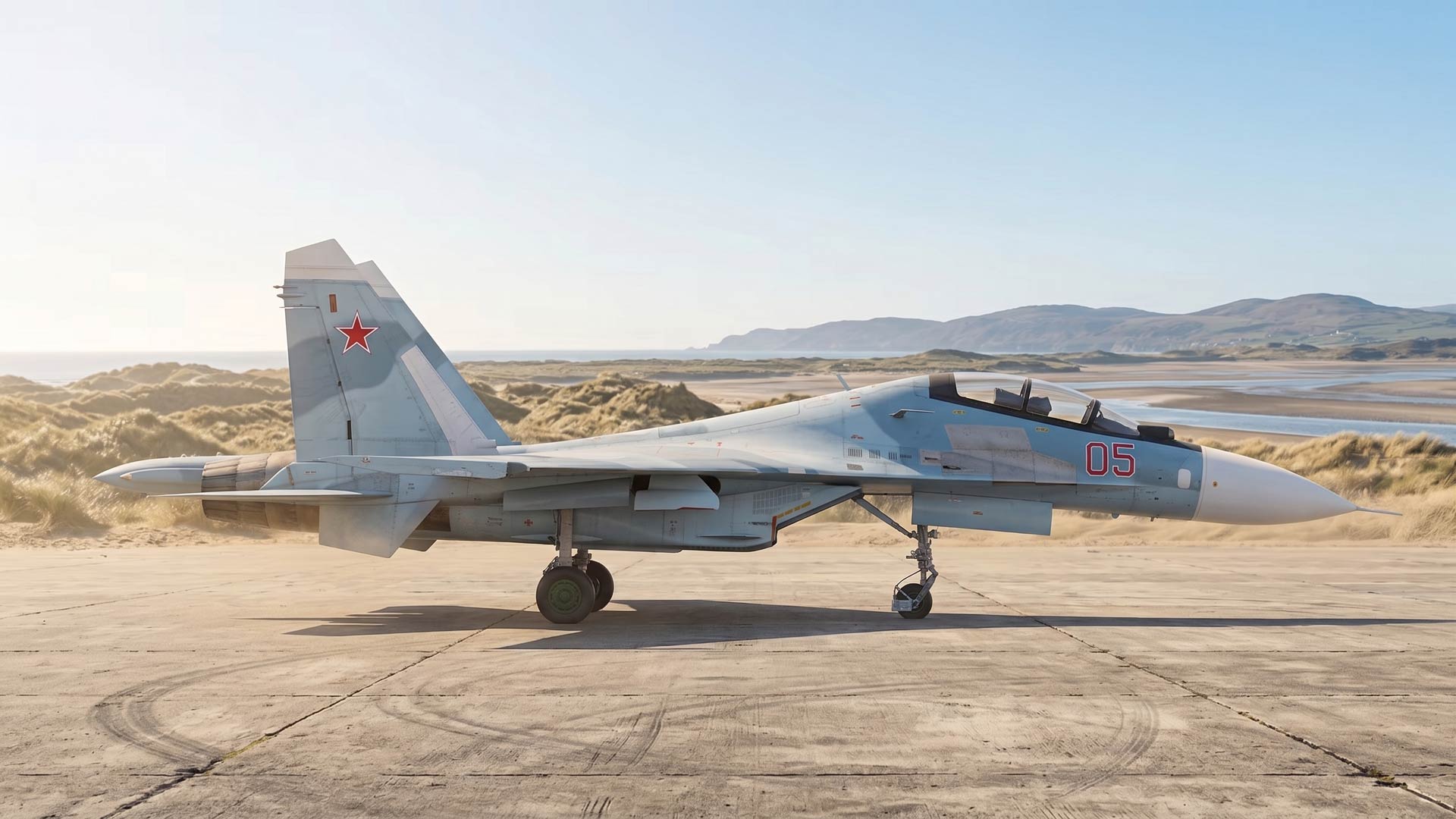
#Su-27
10. Su-27 Flanker - Mach 2.35 (1,553 mph / 2,499 km/h)
Manufactured
Russian
Cost
$41 million*
Role
Multirole
Speed
Mach 2.35
First flight
1977
Status
In service
With a top speed of Mach 2.35, the Sukhoi Su-27 Flanker rounds-off our top 10 fastest jets ever produced. Still in service today after being introduced in the 1980s, the Su-27 is designed as a direct competitor to the retired F-14 Tomcat and the F-15 Eagle as a super manoeuvrable fighter aircraft. There are many related developments of the Su-27 including the Su-30, Su-33 and Su-34, while the Shenyang J-11 is a Chinese license-built version of the Su-27. Much like the USAF, the Soviet Union favoured manoeuvrability over sheer speed and altitude when developing the Su-27 in response to the F-15.
Top 10 Fastest Fighter Jets in the world (in service)
Only one fighter jet still in service is capable of speeds over Mach 3.0, however every one of the top 10 fastest fighter jets in the world is still capable of speeds over Mach 2.0. Although slower in comparison, modern jets are far more manoeuvrable than their predecessors. This is because when jets are built for sheer speed, many compromises must be made, such as using heavier steel instead of lighter aluminium.
#MiG-25-Foxbat
1. MiG-25 Foxbat - Mach 3.2 (2,190 mph / 3,524 km/h)
Manufactured
Russian
Cost
$60 million*
Role
Interceptor
Speed
Mach 3.2
First flight
1964
Status
In service
The fourth fastest fighter jet ever is the fastest still in service today. The only faster jets were either experimental or had much larger budgets and were also used by NASA, so taking that into consideration, the MiG-25 is quite special. Not nearly as manoeuvrable as the MiG-31 designed to replace it, the Foxbat is still one of the fastest jets ever and has held this title for over 50 years. Considering its age, and that it is still in limited service, this makes the Foxbat somewhat special.
#MiG-31-Foxhound
2. MiG-31 Foxhound - Mach 2.83 (1,864 mph / 3,000 km/h)
Manufactured
Russian
Cost
$33 million*
Role
Interceptor
Speed
Mach 2.83
First flight
1975
Status
In service
The direct replacement for the MiG-25 may not be quite as fast (unless you want to risk damaging the engines), but it offers far more manoeuvrability for air superiority. The MiG-31 Foxhound is less about sheer speed and is instead easier to fly at lower altitudes and is much more agile, while still being capable of exceptional speeds. Rising from position seven as the fastest fighter jet ever to position two as the fastest fighter jet still in service, the MiG-31 is exceptionally impressive and shows that while speed may not be everything, it is definitely something.
#F-15-Eagle
3. F-15 Eagle - Mach 2.5 (1,650 mph / 2,655 km/h)
Manufactured
American
Cost
$30 million*
Role
Multirole
Speed
Mach 2.5
First flight
1972
Status
In service
Number eight as the fastest fighter jet ever rising to number three as the fastest fighter jet still in service, the F-15 Eagle proves itself as one of the best all-round multirole fighter jets ever produced. With multiple versions and adoption by many airforces worldwide, the F-15 continues to still be one of the fastest jets ever, even in comparison with it’s modern-day counterparts. Although the F-15 is now coming up to 50 years old it’s top speed of Mach 2.5 is still impressive even by today’s standard.
#Su-27-Flanker
4. Sukhoi Su-27 Flanker - Mach 2.35 (1,553 mph / 2,499 km/h)
Manufactured
Russian
Cost
$41 million*
Role
Multirole
Speed
Mach 2.35
First flight
1977
Status
In service
Number 10 in the fastest jets ever, the Su-27 rises to number four in the fastest jets still in service. A direct competitor to the F-15, the Flanker may not be quite as fast but still offers equally as impressive manoeuvrability. The diversity of the Su-27 is also impressive with models such as the Su-33 and Su-34 being developed from its design. Newer than the F-15, the Su-27 shows no signs of retiring soon and matches well with the MiG-29 as a counterpart.
#MiG-29
5. MiG-29 Fulcrum – Mach 2.3 (1,520 mph / 2,446 km/h)
Manufactured
Russian
Cost
$22 million*
Role
Multirole
Speed
Mach 2.3
First flight
1977
Status
In service
Not quite as fast as the Su-27 but at almost half the cost, the MiG-29 may be older but one that is still favourable today. Complimenting the Su-27 well, the MiG-29 is smaller and lighter than the Flanker and is more comparable to the F-16 Fighting Falcon. There have been many upgrades made to the MiG-29 during its life since the 1980s ensuring it is still as competitive as possible in order to classify it as a ‘generation 4++’ multirole fighter.
Here at Jetify, we like the MiG-29 Fulcrum so much, we offer it as one of our many fighter jet flights.
Fly a MiG-29 with Jetify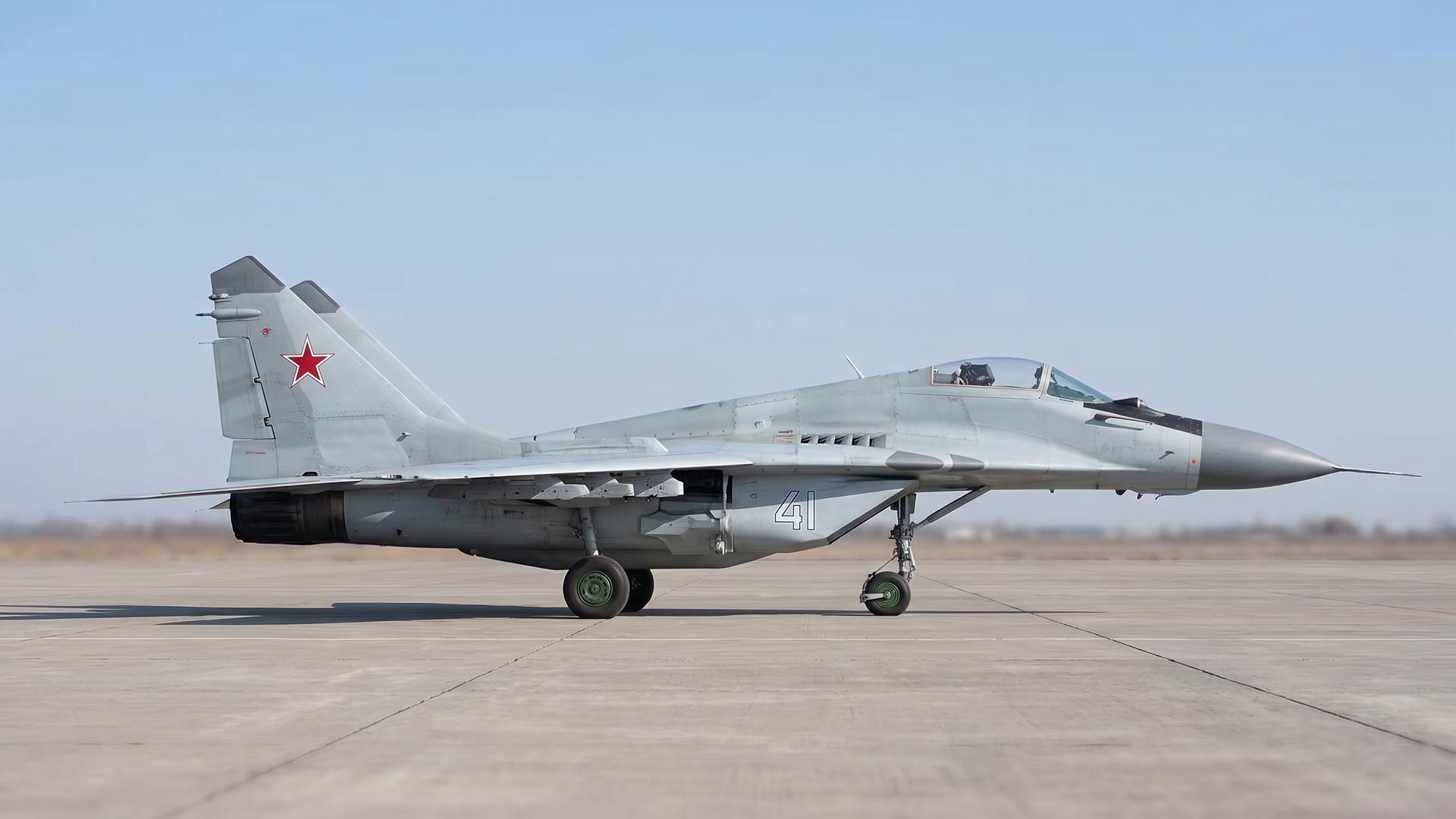
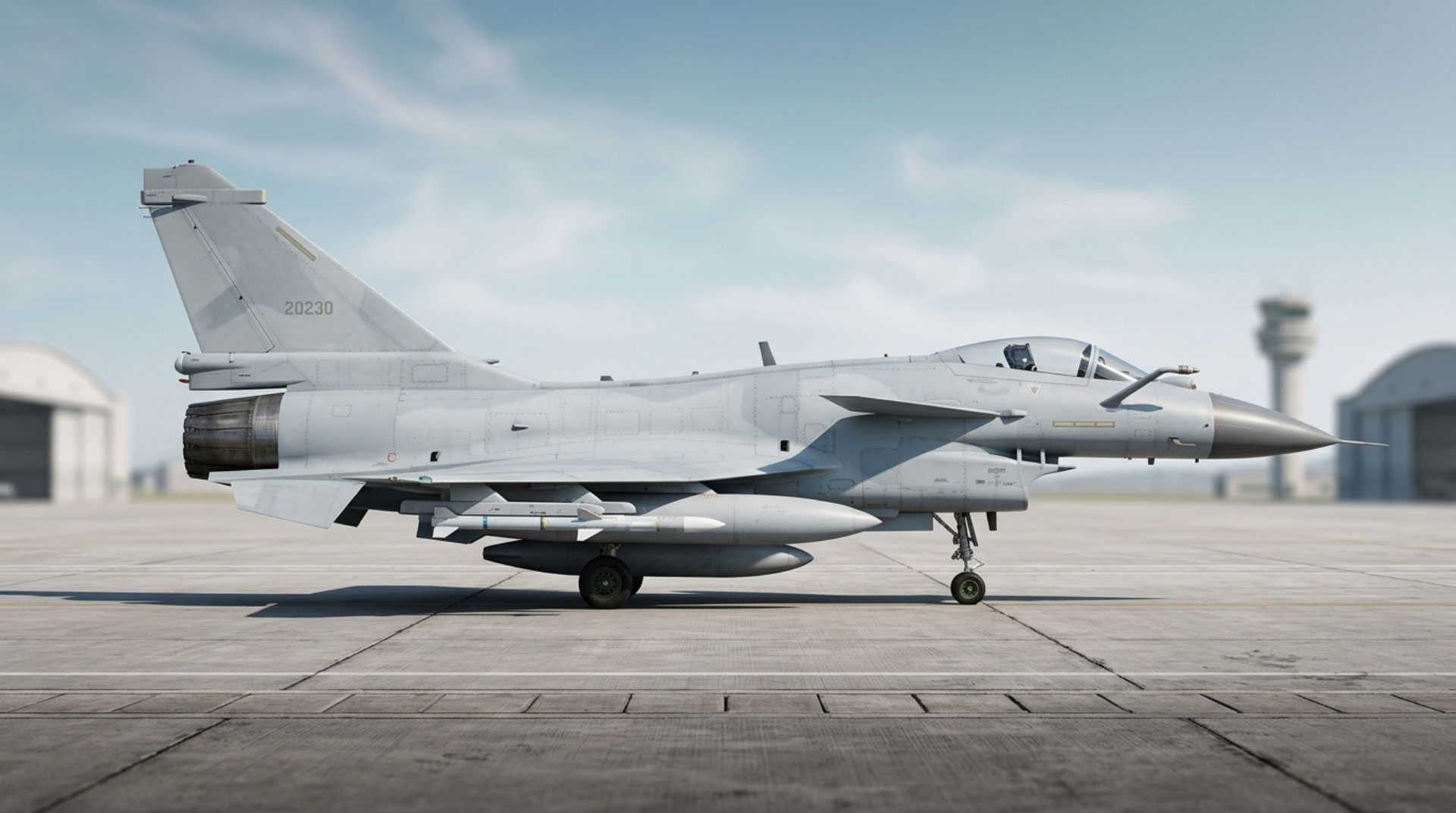
#J-10
6. Chengdu J-10 – Mach 2.2 (1,445 mph / 2,325 km/h)
Manufactured
Chinese
Cost
$28 million*
Role
Multirole
Speed
Mach 2.2
First flight
1998
Status
In service
Introduced in 2006, the Chengdu J-10 is a multirole combat aircraft developed in China and is sometimes known as the ‘Vigorous Dragon’. A direct competitor to the MiG-29 and Su-27 as well as the F-15 and F-16, the J-10 was initially designed as a specialised fighter but later became a multirole fighter capable of air-to-air combat as well as ground attack. Being so new in terms of development, there are only a few variations of the J-10 but with speeds up to Mach 2.2, the J-10 is a capable modern fighter.
#Mirage
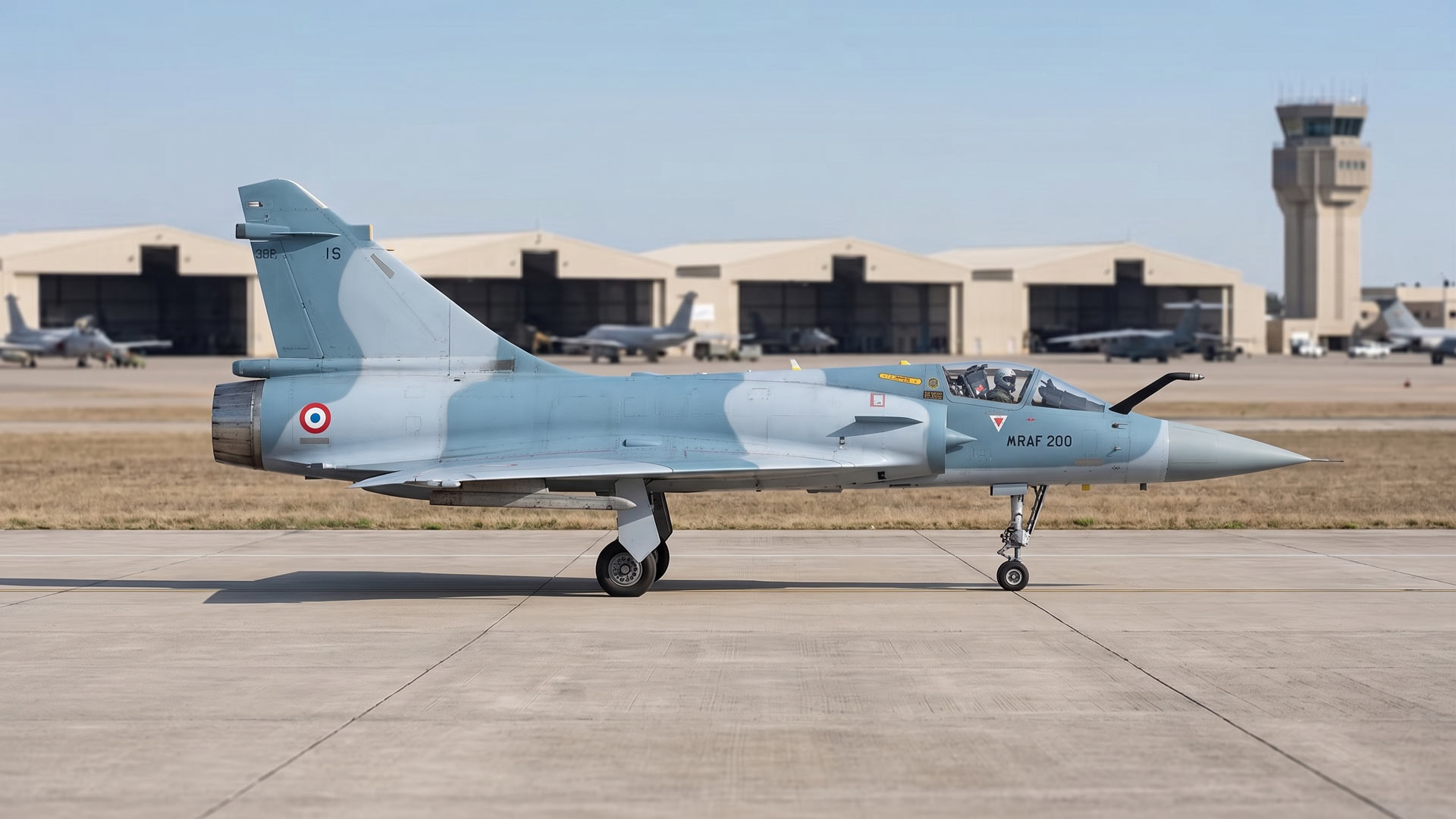
7. Dassault Mirage 2000 – Mach 2.2 (1,400 mph / 2,253 km/h)
Manufactured
French
Cost
$31 million*
Role
Multirole
Speed
Mach 2.2
First flight
1978
Status
In service
The fastest French fighter and seventh in the top 10 is the Dassault Mirage 2000, capable of an impressive Mach 2.2. Introduced in the 1980s, the Mirage 2000 is a single-engined, multirole fighter that was designed to replace the Mirage III. Originally developed as a lightweight fighter, the end result was actually a multirole aircraft with several variants that numerous airforces have adopted. Early development actually focused on a competitor to the Panavia Tornado, but due to increasing complexities and cost, the project was simplified and the Mirage 2000 was the end result.
#F-22
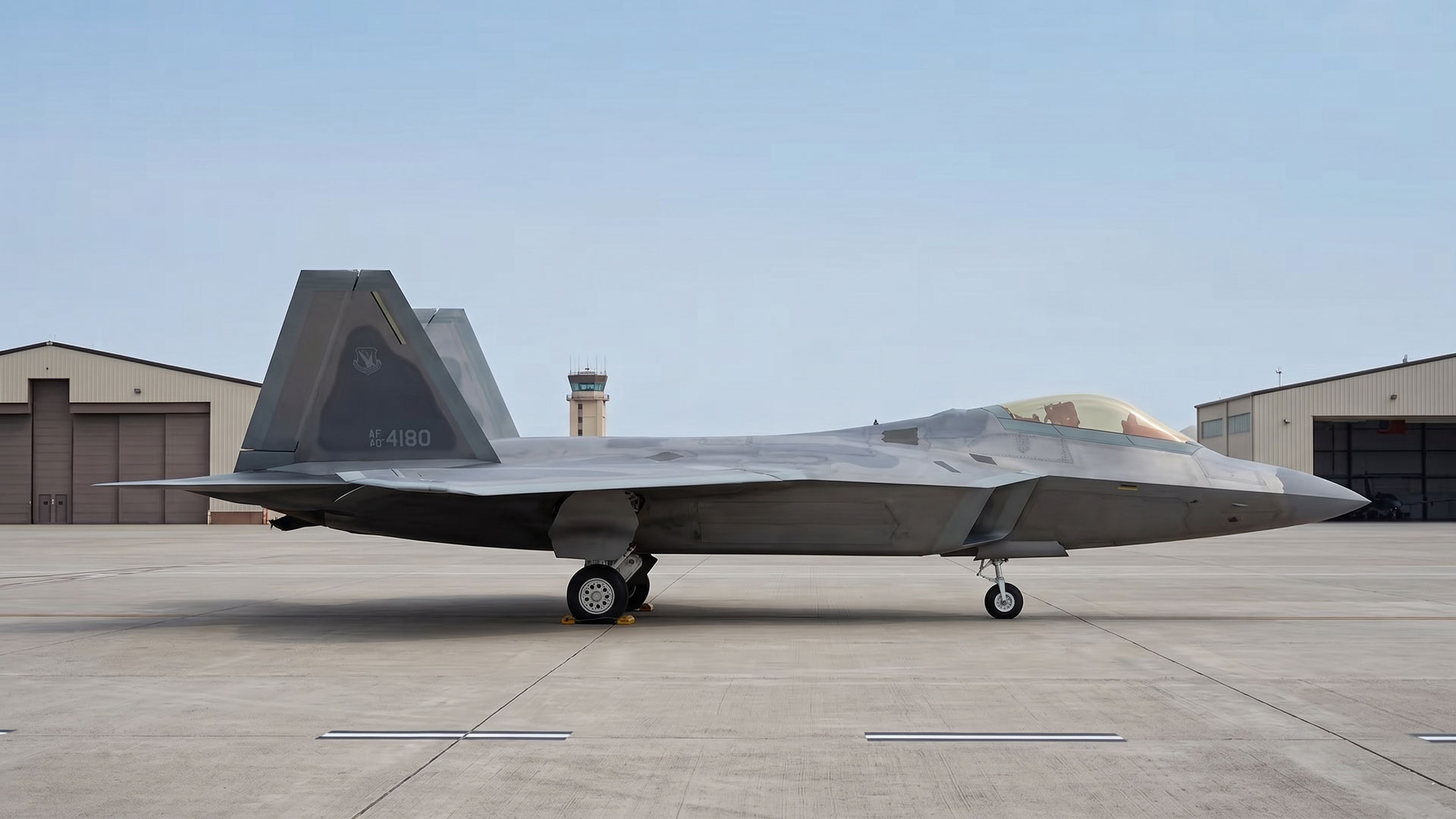
8. F-22 Raptor – Mach 2.0 (1,355 mph / 2,181 km/h)
Manufactured
American
Cost
$150 million*
Role
Superiority
Speed
Mach 2.0
First flight
1997
Status
In service
A highly advanced fighter jet, the Lockheed Martin F-22 Raptor is an all-weather stealth tactical fighter aircraft. It first flew in 1997 and entered service in December 2005, and production ended in 2011 after 187 aircraft, so the F-22 is quite a rare sight. What makes the Raptor special is being the first operational aircraft to combine stealth, supercruise, super manoeuvrability and sensor fusion in a single weapon platform. The F-22 was banned from export due to the stealth technology used as well as other classified features, and due to its high cost and lack of competitors, focus moved to the more versatile F-35 Lightning II.
#Typhoon
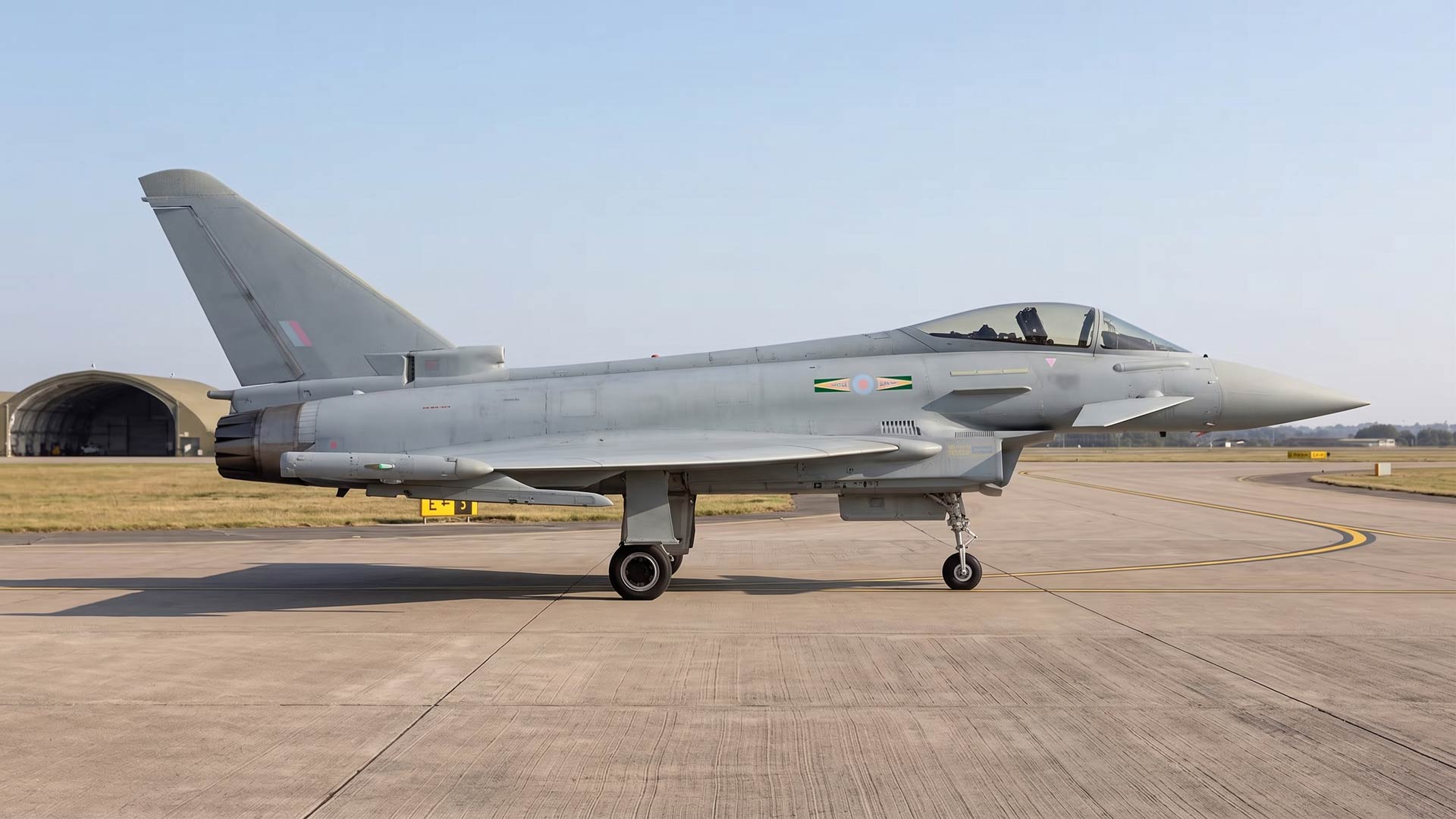
9. Eurofighter Typhoon – Mach 2.0 (1,320 mph / 2,124 km/h)
Manufactured
Multi-national
Cost
$105 million*
Role
Multirole
Speed
Mach 2.0
First flight
1994
Status
In service
Developed by a consortium of defence manufacturers, the Eurofighter Typhoon is a multirole fighter that has been adopted by many countries including the UK, Germany and Spain. France left the consortium in order to produce the Dassault Rafale independently. The Typhoon entered production in the mid 1990s and is still being built today. It may not be the fastest, but it is incredibly agile and serves as an air defence aircraft for most countries that have adopted it.
#Su-57
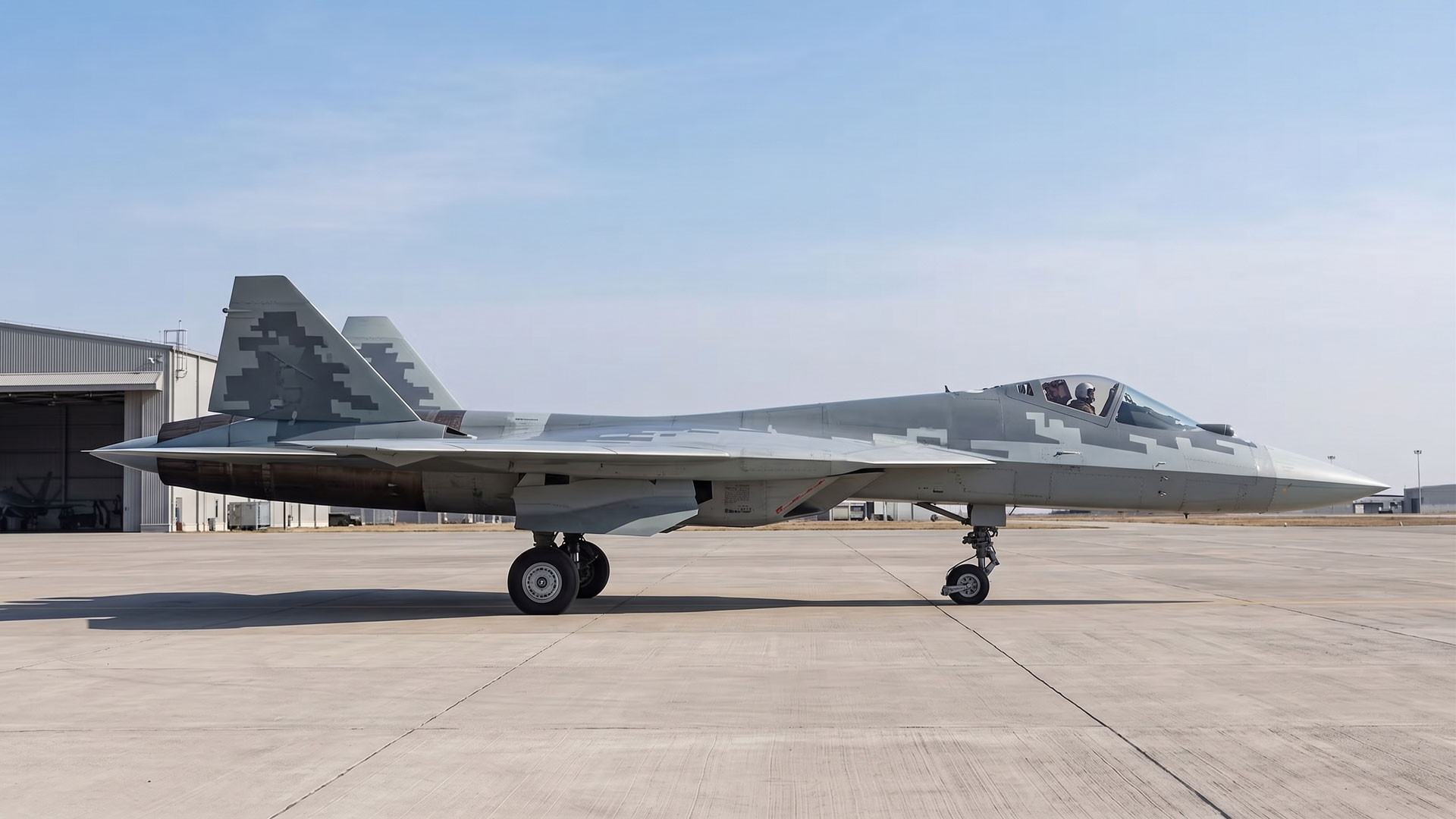
10. Sukhoi Su-57 – Mach 2.0 (1,320 mph / 2,124 km/h)
Manufactured
Russian
Cost
$42 million*
Role
Superiority
Speed
Mach 2.0
First flight
2010
Status
In service
The Sukhoi Su-57 is a fifth generation multirole stealth fighter produced in the late 2000s and is planned to eventually replace the MiG-29 and Su-27. Although both the MiG-29 and the Su-27 offer faster top speeds, the Su-57 is far more technologically advanced and is comparable to the F-22 Raptor and Eurofighter Typhoon. The newest fighter jet on the list, speed still remains a high priority even as requirements move from velocity and altitude to agility and technological advancements.
*Cost at the time of production
Fastest fighter jet FAQ
What is the fastest fighter jet ever?
The fastest fighter jet ever was the NASA/USAF X-15, at Mach 6.72 or 4,520 mph (7,274 km/h). It was a rocket-powered experimental aircraft rather than a conventional jet, and it still holds the record for the highest speed by a crewed, powered aircraft.
What is the fastest fighter jet in service today?
The fastest fighter jet in service today is the MiG-25 Foxbat, at Mach 3.2 or 2,190 mph (3,524 km/h). It is the only aircraft in service capable of exceeding Mach 3.0.
How fast is Mach 3?
Mach 3 is roughly 2,300 mph (3,700 km/h) at sea level. Mach 1 is the speed of sound, 717 mph, 1,195 km/h or 332 m/s, so Mach 3 is three times that.
Is the SR-71 Blackbird faster than the MiG-25?
Yes, the SR-71 Blackbird was faster than the MiG-25. The SR-71 reached Mach 3+, with a record of 3,530 km/h set in 1976, while the National Museum of the US Air Force gives the MiG-25 a top speed of Mach 2.83. The SR-71 retired in 1999; the MiG-25 remains in limited service.
Why are modern fighter jets slower than older ones?
Modern fighter jets are slower than older ones because speed forces compromises everywhere else. Aircraft built for Mach 3 need heavy steel airframes and lose manoeuvrability, so modern fighters prioritise agility, stealth and sensors over top speed.
Can a civilian fly in a supersonic fighter jet?
No. A civilian cannot currently fly in a supersonic fighter jet. Supersonic passenger flights only ever ran in the MiG-29, which is not currently bookable, and every fighter jet flight available to civilians today is subsonic.
What is the fastest American fighter jet?
The fastest American fighter jet in service is the F-15 Eagle, at Mach 2.5. The fastest American jet ever built is the SR-71 Blackbird at Mach 3.4, or the X-15 at Mach 6.72 if experimental aircraft are included.
Make an enquiry
Jetify are committed to offering the world’s best aviation experiences. Should you wish to enquire about booking a flight or have further questions regarding our services, please contact us below. We endeavour to respond swiftly.
Jetify UK
+44 (0) 2393 877130Jetify USA
+1 650 269 2034Alternatively, please use our online contact form to reach the right team if you’re unsure which number to use.