What Is The F-22 Raptor?
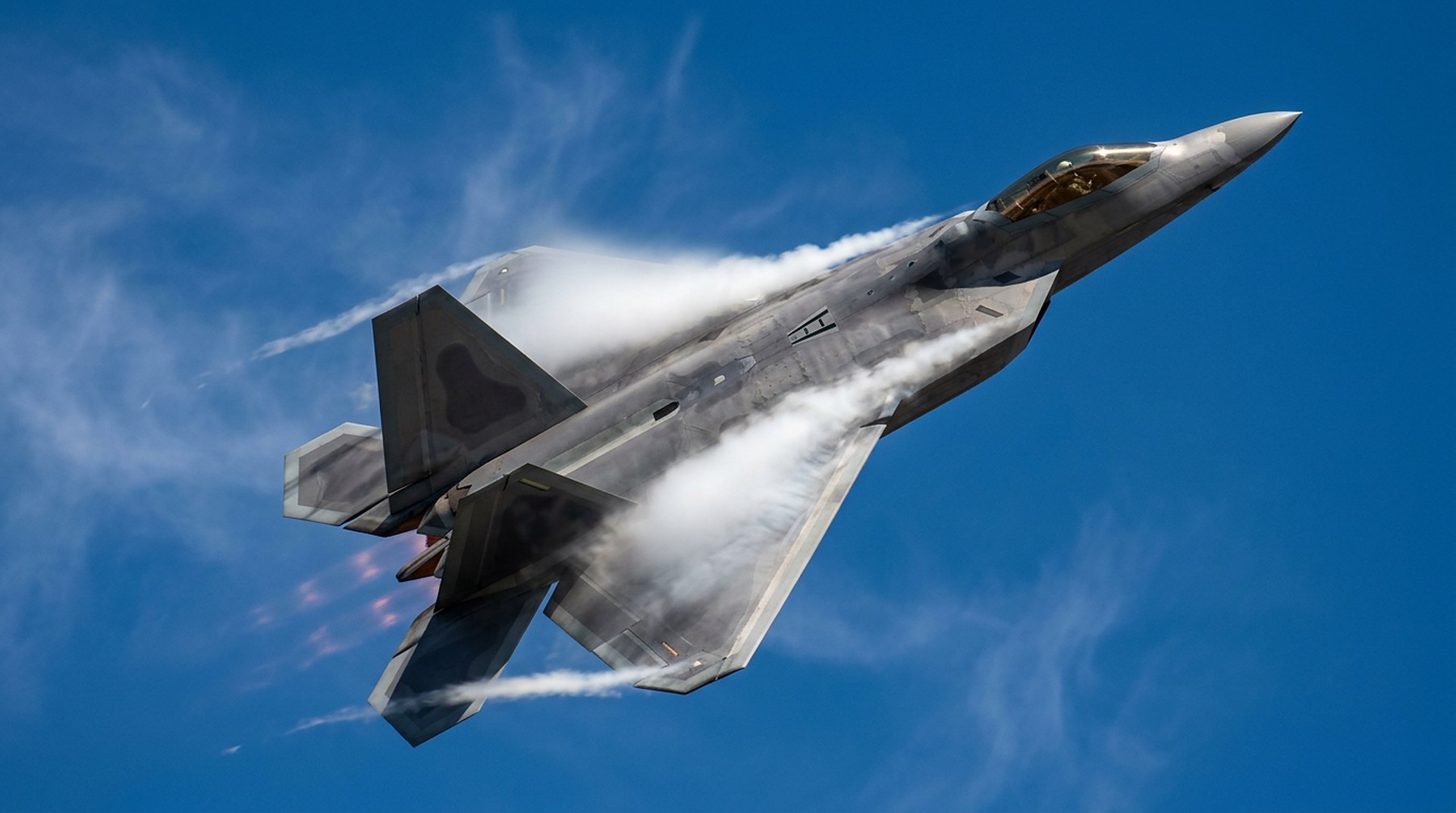
The Lockheed Martin F-22 Raptor. World’s premier 5th-generation stealth air superiority fighter aircraft.
United States
Origin
Air superiority
Role
Mach 2.25
Top speed
19,812 m
Service ceiling
F-22 Raptor Specifications
The Lockheed Martin F-22 Raptor is an aircraft that combines stealth, supercruise, high manoeuvrability, and integrated avionics to secure air dominance.
Performance
Top speed
Mach 2.25 (1,500 mph/2,414 km/h)
Service ceiling
Above 65,000 feet (19,812 m)
Combat radius
~460 nautical miles (850 km) on internal fuel
Rate of climb
Classified (Estimated > 62,000 ft/min/315 m/s)
Airframe
Crew
1
Length
62 feet 1 inch (18.90 m)
Wingspan
44 feet 6 inches (13.56 m)
Empty weight
43,340 lbs (19,700 kg)
Engine
2 × Pratt & Whitney F119-PW-100 afterburning turbofans
Service
First flight
7 September 1997
Unit cost
~$143 million (Flyaway cost)/~$350 million+ (Total programme cost per unit)
Operators
United States Air Force
What Weapons Does The F-22 Raptor Carry?
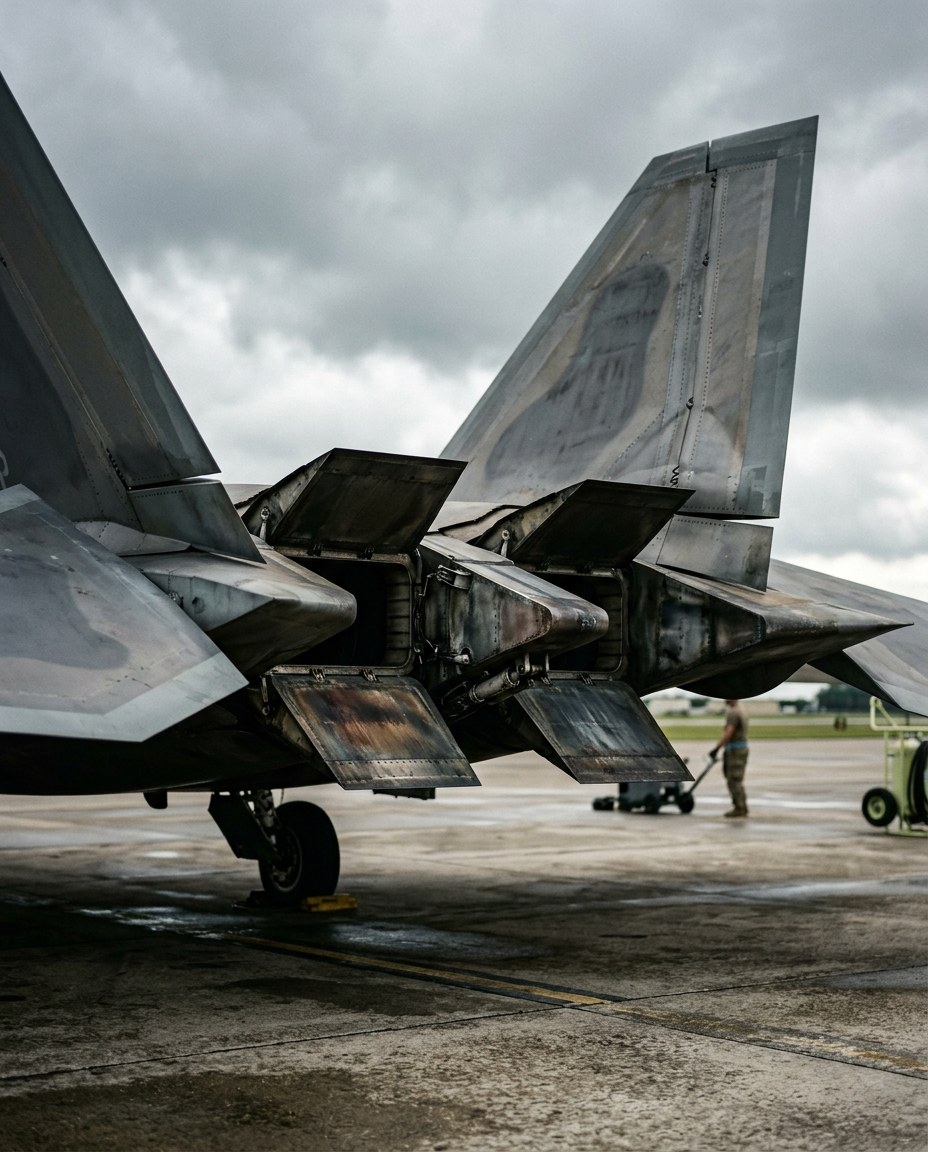
The F-22 Raptor carries its primary weapons loadout inside internal weapon bays to preserve low-observable stealth characteristics and maintain aerodynamic performance during air-to-air or air-to-surface engagements.
Weapon
Category
Loadout
Range
M61A2 Vulcan
Category
20 mm Cannon
Loadout
1 × internal cannon (480 rounds)
Range
~2 km (~1.2 miles)
AIM-120 AMRAAM
Category
Air-to-air missile
Loadout
Up to 6 × internal (Air-to-Air configuration)
Range
~100–160 km (~60–100 miles)
AIM-9 Sidewinder
Category
Air-to-air missile
Loadout
2 × internal side bays
Range
~1.5–35 km (~1–22 miles)
GBU-32 JDAM
Category
Precision bomb
Loadout
Up to 2 × 1,000 lb internal (Air-to-Ground)
Range
~24 km (~15 miles)
GBU-39 Small Diameter Bomb
Category
Precision bomb
Loadout
Up to 8 × internal (Air-to-Ground)
Range
~110 km (~68 miles)
Category
Loadout
Range
Category
Loadout
Range
Category
Loadout
Range
Category
Loadout
Range
Category
Loadout
Range
Category
Loadout
Range
How Fast Is The F-22 Raptor?
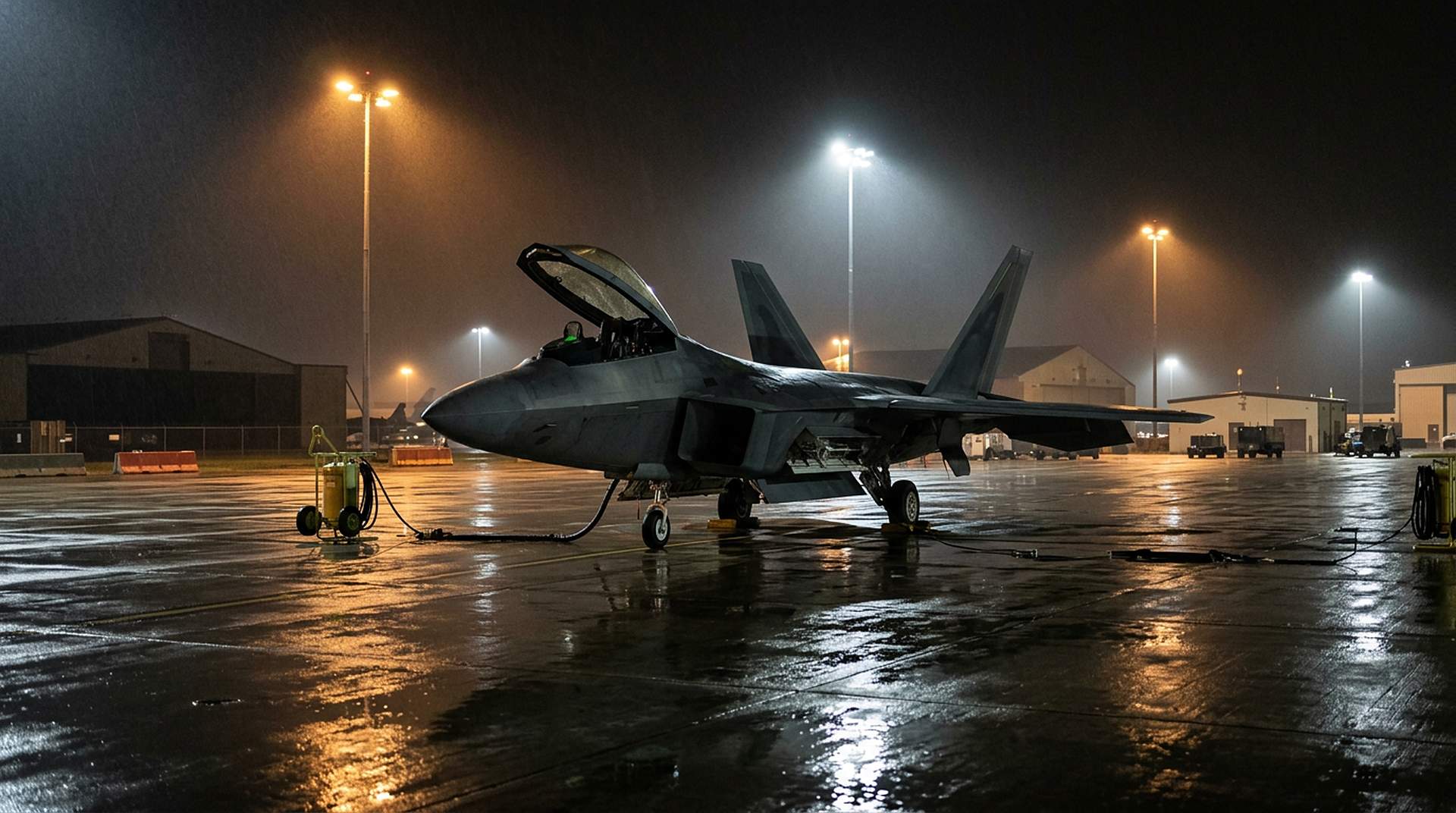
The F-22 Raptor is engineered for exceptional speed and aeromechanical efficiency, but can achieve a top speed of Mach 2.25 (roughly 1,500 mph/2,414 km/h at altitude). Beyond raw maximum speed, a defining performance feature is its supercruise capability. Powered by dual Pratt & Whitney F119-PW-100 engines, the Raptor can maintain supersonic flight at Mach 1.5 to Mach 1.8 without activating afterburners. This provides significant operational advantages: it extends the aircraft's combat radius, increases missile delivery range, and allows rapid transit across the battlespace while minimising heat signatures and conserving fuel reserves.
How Was The F-22 Raptor Developed?
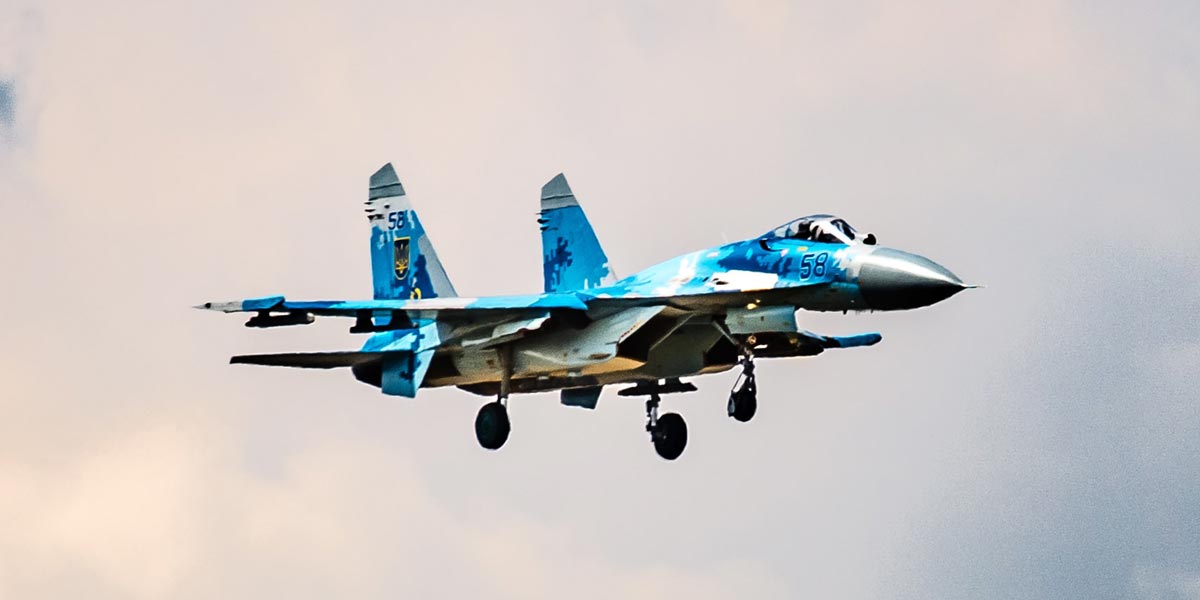
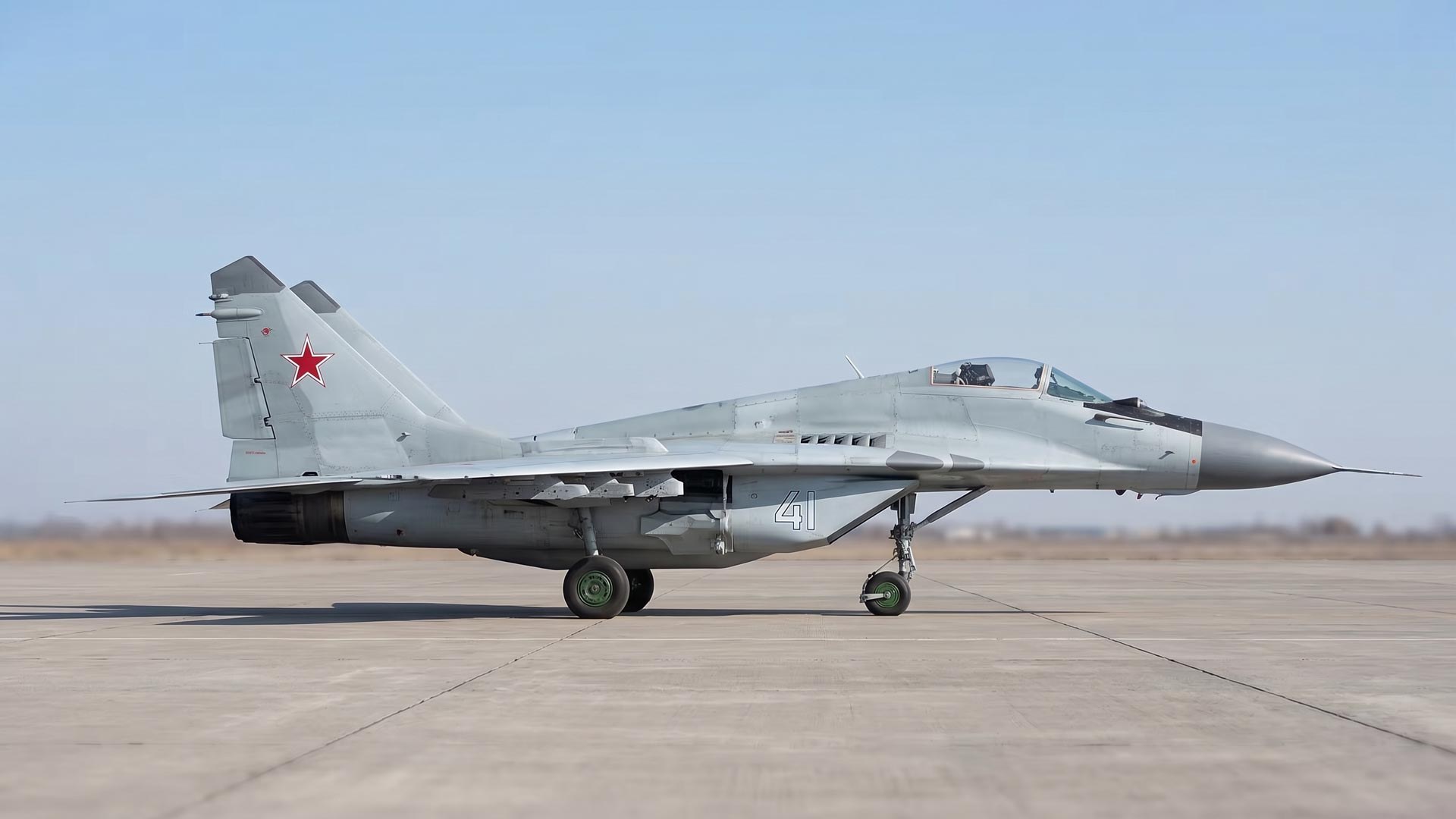
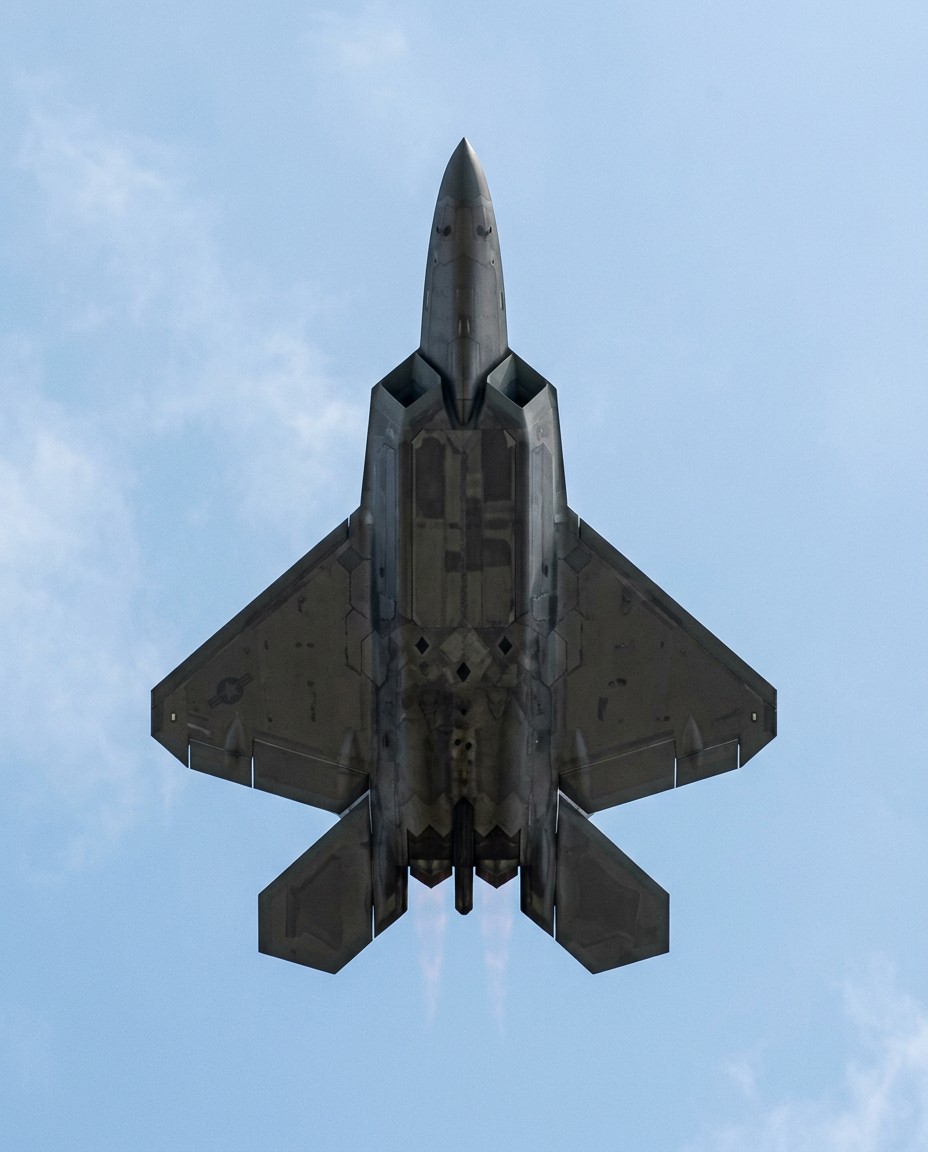
The development of the F-22 began in the early 1980s under the United States Air Force's Advanced Tactical Fighter (ATF) programme, designed to counter sophisticated Soviet air defence systems and next-generation fighters like the Su-27 and MiG-29. Following a flight evaluation between the Lockheed YF-22 and the Northrop YF-23 prototypes, the USAF awarded the production contract to the Lockheed Martin-led team (in partnership with Boeing and Pratt & Whitney) in 1991. The aircraft made its maiden flight on 7 September 1997 and formally entered operational service in December 2005. Production was capped at 195 total airframes (187 operational and 8 test aircraft) due to rising unit costs, shifting strategic priorities, and federal legislation banning export sales to protect critical stealth technologies.
Has The F-22 Raptor Seen Combat?
Although designed primarily as an air superiority fighter, the F-22 Raptor’s operational debut occurred in an air-to-ground capacity on 22 September 2014, striking targets during Operation Inherent Resolve in Syria. In subsequent years, the aircraft performed strike and close air support missions in Afghanistan and participated in defensive combat air patrols across the Middle East. In February 2023, the Raptor recorded its first air-to-air engagements, successfully destroying a high-altitude Chinese surveillance balloon off the coast of South Carolina using an AIM-9X Sidewinder missile, followed by engagements against additional unidentified high-altitude objects in North American airspace.
Who Operates The F-22 Raptor?
The United States Air Force (USAF) is the sole operator of the F-22 Raptor. Federal law prohibits international exports of the aircraft under the 1997 Obey Amendment to protect its secret stealth systems, radar capabilities, and integrated sensor technologies. Within the USAF, the Raptor fleet is assigned across active-duty combat wings, the Air National Guard, and Air Force Reserve Command units. Key operational bases include Joint Base Langley-Eustis in Virginia, Joint Base Elmendorf-Richardson in Alaska, Tyndall Air Force Base in Florida, and Hickam Air Force Base in Hawaii, alongside dedicated flight test units based at Edwards Air Force Base and Nellis Air Force Base.
F-22 Raptor FAQs
Common questions about the F-22 Raptor, its capabilities and whether civilians can fly it.
Can a civilian fly in the F-22 Raptor?
No, civilians cannot fly the F-22 Raptor. To fly it you must be a commissioned officer in the United States Air Force who has completed Undergraduate Pilot Training (UPT) and qualified through specialised fifth-generation fighter conversion courses. Civilians and non-pilot personnel cannot pilot the aircraft.
Can I take the controls of the F-22 Raptor?
No, you cannot take the controls of the F-22 Raptor, because it is a single-seat aircraft and no two-seat operational or trainer variant exists. With no dual-control cockpit, it is physically impossible for passengers or civilian trainees to take the controls in flight.
How much does a flight in the F-22 Raptor cost?
You cannot buy a flight in the F-22 Raptor at any price, because public and commercial civilian flights are unavailable for national security reasons. The US Department of Defense funds its operation, at an estimated $40,000 to $70,000+ per flight hour. Jetify flights in jets such as the L-39 Albatros start from around £2,500, $3,300 or €2,900.
Is there a weight or height limit to fly the F-22 Raptor?
Yes, F-22 Raptor pilots must meet strict US Air Force physical standards to fit safely in the ACES II ejection seat and cockpit. Pilots typically need a standing height between 5’4” and 6’5” (162 cm to 195 cm) and a sitting height of 34 to 40 inches (86 cm to 101 cm), alongside strict weight caps for safe ejection.
How much G-force does the F-22 Raptor pull?
F-22 Raptor pilots routinely experience positive G-forces of up to +9G in combat and high-manoeuvrability training engagements. The aircraft’s advanced flight controls and thrust-vectoring engines allow radical high-angle-of-attack manoeuvres that put extreme physical stress on the pilot. Civilians cannot fly the F-22, so these forces apply only to its military pilots.
How far in advance can I book an F-22 Raptor flight?
You cannot book an F-22 Raptor flight at any notice, because the aircraft is not available for commercial charter, tourist flights or public experiences. If you want to fly in a real fighter jet instead, Jetify offers flights in demilitarised ex-military aircraft such as the L-39 Albatros, Hawker Hunter and MiG-15 Fagot.

Explore the database